Sponsored By:
One of our most reliable indicators just triggered on a small-cap company operating quietly under the radar. We've seen this same setup before notable announcements, strategic shifts, and surges in institutional activity.
At Alpha Wire Daily, we've built our reputation on identifying these patterns early — before the rest of the market catches on. We've just released a new briefing detailing the company name, chart setup, and why this signal stands out. Timing is everything.
Get the Free Report + Alert Access*We encourage readers to perform their own research and due diligence on any information we provide. By clicking the link you will automatically be subscribed to the Alpha Wire Newsletter.

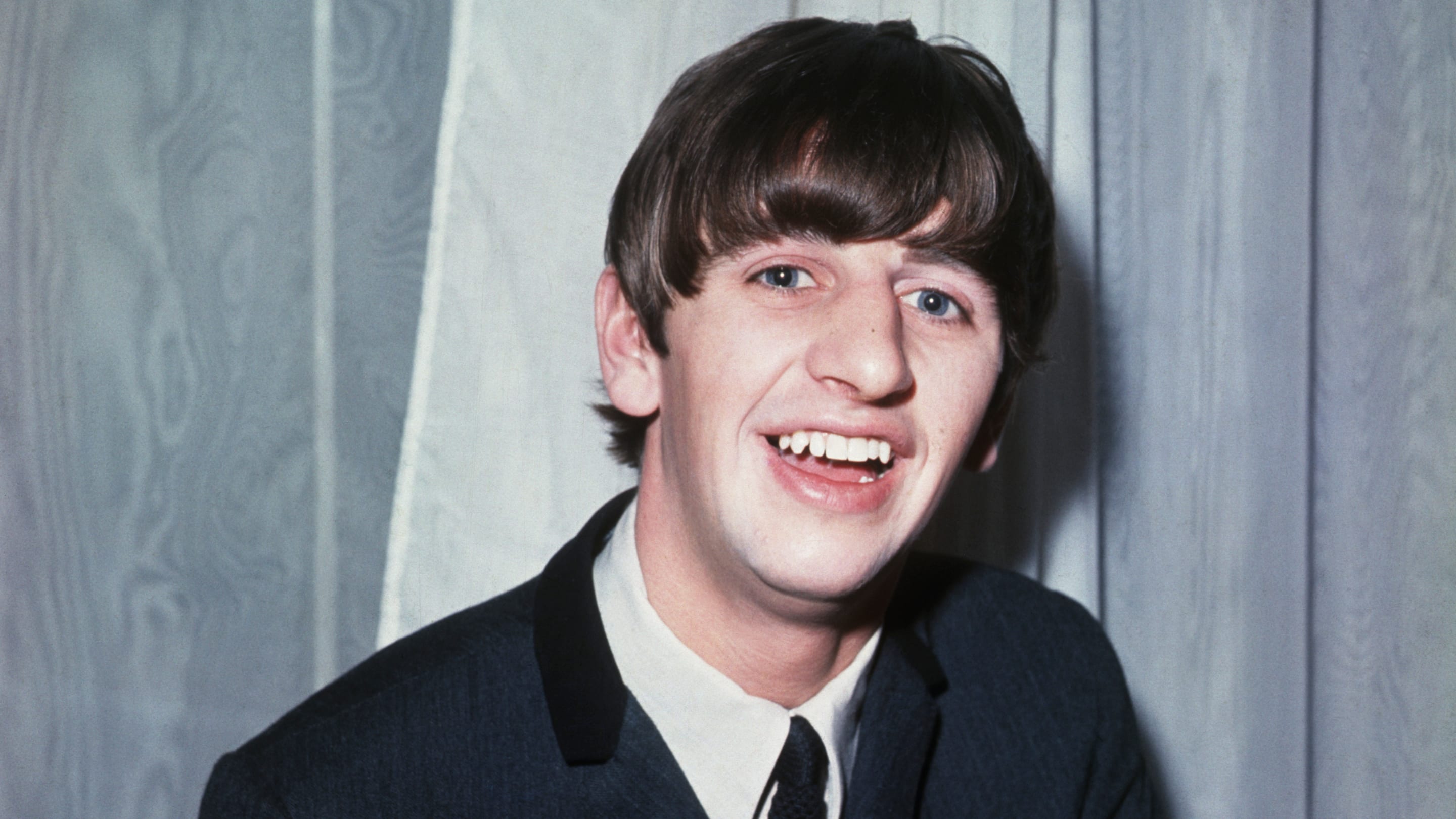
Image via Mental Floss
Ringo’s Two Solo Beatles Songs—and Why They Endure
Mental Floss was out with a fun little report that sent me right back to the days when a turntable, a stack of records, and a little time to listen were all you really needed. Their piece looked at something a lot of folks still don’t realize: for all the Lennon-McCartney magic (and George’s late blooming brilliance), Ringo Starr only had two songwriting credits that were truly his own while he was a Beatle.
The article revisits those two tunes and why they mattered. The first, of course, is “Don’t Pass Me By,” the country-tinged number that finally showed up on *The Beatles*—the White Album—in 1968, after Ringo had been tinkering with it for years. You can hear it in the song itself: it doesn’t sound like it was written in an afternoon to fill space. It sounds like a working man’s song idea that got carried around, hummed backstage, tightened up a little at a time until it was ready to be put on wax.
The second is “Octopus’s Garden,” Ringo’s bright, sea-salt daydream from *Abbey Road* in 1969. Mental Floss notes what most Beatles fans have come to appreciate over the years: Ringo wasn’t trying to out-poet John or out-melody Paul. He wrote like Ringo—plainspoken, a little whimsical, and oddly sincere. And in a band full of giant personalities, that simplicity is exactly why those songs endure.
Read the full story at Mental Floss.
✍ My Take: I’ve always thought Ringo’s two songs tell you something important about the way greatness used to work in America—and in music, too. Not everybody in the room has to be the loudest voice or the fanciest talker. Sometimes the steady hand is the one that keeps the whole operation from flying apart. That was true in a lot of families, a lot of workplaces, and yes, a lot of bands. In the old days, people understood roles a little better, and they respected them, too. The drummer didn’t have to be the front man to be essential. And there’s something else there, if you listen closely. “Don’t Pass Me By” and “Octopus’s Garden” are modest songs, in a way—and that’s not an insult. They’re songs that don’t sneer at the listener. They don’t posture. They just invite you in. We could use a little more of that spirit now: less performance, more honesty; fewer people trying to win the room, more people trying to keep the room together. What happens next is probably what always happens with Beatles stories: a new wave of younger listeners finds these tracks, and older listeners remember they weren’t “just” novelty corners on big albums. They were proof that even in the most celebrated band on earth, there was still room for the dependable guy at the back to step forward once in a while and say something in his own voice. That’s a pretty good lesson for a country trying to remember how to be a team again. And I’m hopeful we will—because the best parts of us never really disappear; they just wait to be played again.
Read the full story at Mental Floss →
Until tomorrow night, keep a good song in your heart and the porch light on.
— Jack Reynolds