August setups are already taking shape — and the biggest moves happen quietly, before the crowd notices. Are you entering early, or buying after the easy gains are gone?
GuyStocks delivers 100% free, real-time momentum alerts straight to your device — zero hype, pure data — so you're positioned in high-conviction trades before the broader market catches on.
Join GuyStocks Free TodayBy clicking the link above, you agree to receive emails from GuyStocks.com. You can opt out at any time. — Privacy Policy

Tonight we take a gentle spin through the 1960s, tip our hat to a complicated music legend’s last studio footsteps, and peek into a 1970s room that looks like it’s been waiting for us all along.
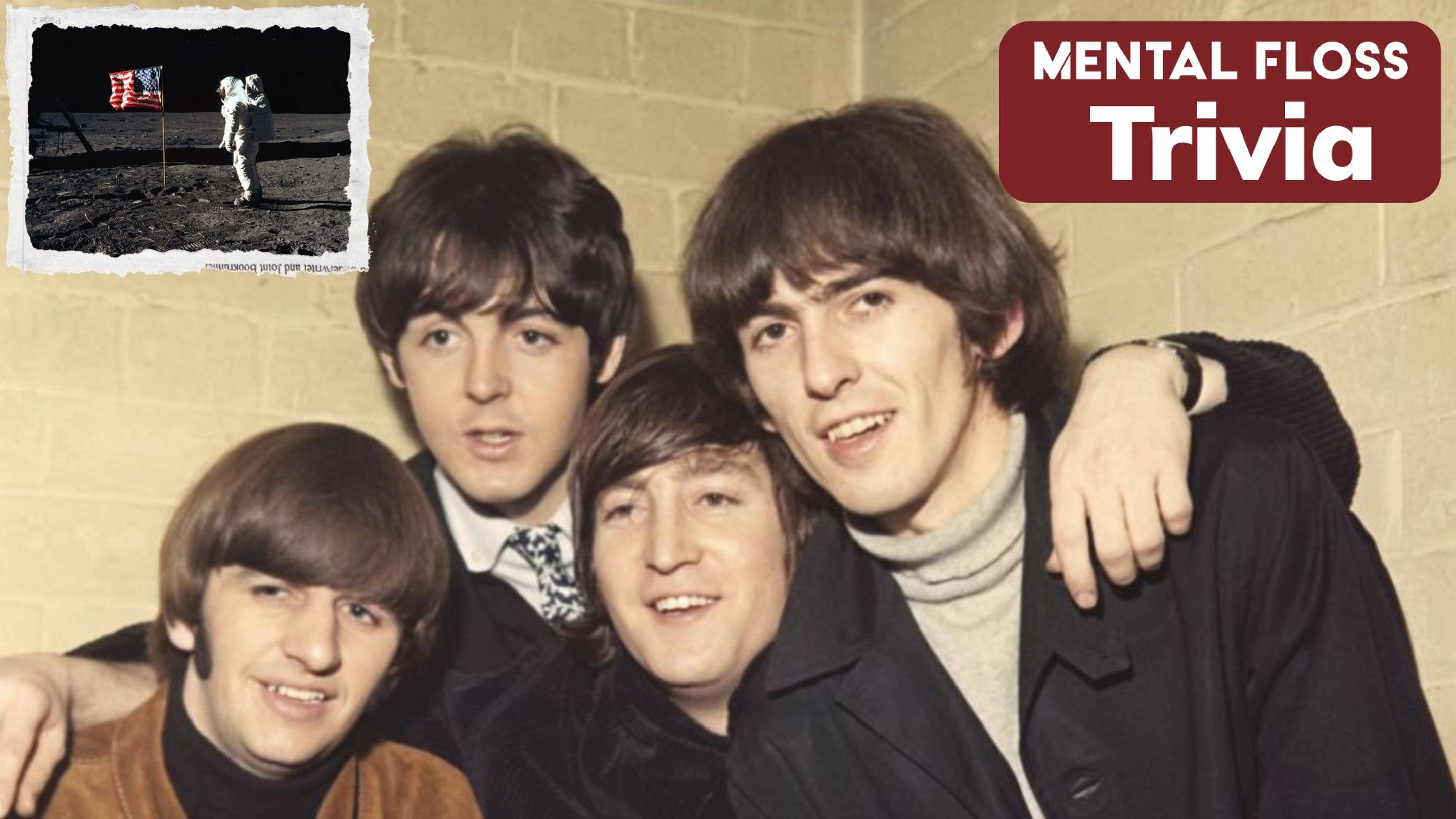
Image via Mental Floss
A Little 1960s Pop Quiz to Take You Back
Mental Floss is inviting folks to test their knowledge of the 1960s, from Beatlemania and television staples to big cultural moments that still echo today. It’s the kind of quiz that nudges you to remember not just what happened, but where you were when you heard about it—what station you had on the radio, what the living room looked like, who was sitting in the easy chair.
The ’60s were a decade that could feel like three decades rolled into one: bright new sounds, fast-moving headlines, and a country trying to find its footing as it reached for the moon. For those of us who lived it—or grew up with its music playing on the kitchen radio—this kind of look-back is a reminder that America has always had its noisy chapters, but it’s also had a remarkable ability to dream big and do the hard work to match.
Even if you don’t ace every question, the real fun is in the remembering: the first time you saw a band on TV and thought, well, the world just changed a little. And in a way, it did.
📺 Jack's Thoughts: I like anything that gets people talking about history as something lived, not just something filed away in a textbook. The 1960s had plenty of turbulence, but it also had real ambition and real grit—qualities we could stand to practice again. If a simple quiz gets families swapping stories around the table, that’s a pretty good use of an evening.
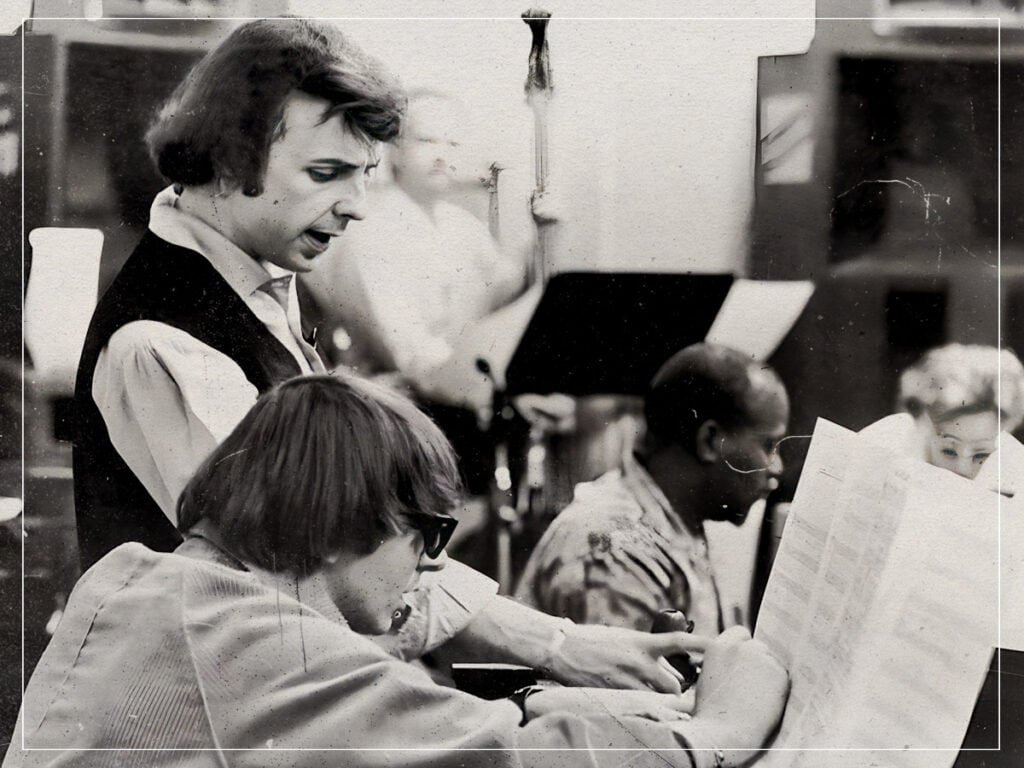
Image via Far Out Magazine
Phil Spector’s Last Studio Footprints, for Better and for Worse
Far Out Magazine looks back at Phil Spector’s final production credits, tracing the later end of a career that once helped shape the sound of popular music. Spector’s work—especially in the earlier years—left a deep imprint on how records were made, how drums and strings could fill a room, and how a song could feel larger than life coming out of a little transistor radio.
At the same time, any honest look at Spector has to hold two truths at once: there was undeniable influence in the studio, and there was undeniable darkness in the man’s personal life. The piece focuses on the late-stage credits, which are the kind of details music lovers argue about late at night—who he worked with, what he actually contributed, and what “produced by” really meant in those final chapters.
For readers who grew up with that “Wall of Sound” era in the background of their lives, it’s a reminder of how much the producer’s chair can matter. The right ear behind the glass could turn a decent tune into something that sticks with you for 60 years.
📺 Jack's Thoughts: Talent doesn’t cancel character, and character doesn’t erase talent—both have to be faced straight on. I can admire what Spector helped build in the recording world while still believing we should never romanticize the wreckage a person leaves behind. If there’s a lesson here, it’s that we ought to celebrate the music and also teach our kids that decency matters more than brilliance.
A 1970s Bedroom, Frozen in Time Like an Old Song
Flashbak shares photos of a found 1970s bedroom in northern Belgium—an abandoned home that somehow held onto its everyday magic. The images are a time capsule: posters on the wall, the look of the room, and the kind of personal clutter that doesn’t feel like “decor,” but like someone’s real life paused mid-sentence.
What makes a room like that hit you in the chest is that it’s not a museum display with perfect lighting and polished glass. It’s the ordinary stuff that used to be everywhere: the kind of bedroom where a kid might have dropped a record sleeve on the bed, rushed through homework, and dreamed about the wider world. Even from across the ocean, the details feel familiar—because the ’70s had a way of looking like the ’70s no matter what country you were in.
There’s also something quietly moving about the way objects outlast the moment. Posters fade, paper curls, colors soften, but the spirit of the era stays put. It reminds you that history isn’t only presidents and headlines—it’s teenagers and bedrooms and the little corners where life actually happened.
📺 Jack's Thoughts: I find these everyday time capsules more honest than any fancy exhibit. They remind us that family life, private dreams, and simple routines are what really build a culture. And if a forgotten bedroom can still speak across decades, then maybe the best parts of our own time—faith, responsibility, and neighborliness—can last too, if we live them on purpose.
📎 Flashbak
That’s all for tonight, friends. Take a moment to remember a song, a room, or a headline that shaped you—and then carry the best of it into tomorrow. The good old days don’t have to be behind us if we keep their values close.
— Jack Reynolds