In 1971, Nixon ended the gold standard in a single 15-minute broadcast — no warning, no debate. Gold tripled in 3 years and rose 20x over the next decade. The people who saw it coming protected their wealth. Everyone else watched their savings quietly erode. History may be about to repeat itself. Trump holds the same executive authority Nixon used — and his own advisors are now openly saying a reversal is on the table.
Reagan Gold Group has put together a free briefing covering exactly what Nixon did, why Trump is the first president positioned to undo it, and the one move you can make right now to be on the right side of what comes next. Free. 30 seconds to request. Don't wait for the Sunday night broadcast.
Get the Free Briefing NowReagan Gold Group does not provide financial, legal, or tax advice. This information is for educational purposes only and should not be considered investment advice. All investments carry risk, including loss of principal. Past performance is not indicative of future results. Consult your licensed financial advisor before making investment decisions. This is an advertisement. If you do not wish to receive messags from this partner, please Unsubscribe. Or write to: 2029 Century Park E Suite 400, Los Angeles, CA 90067.

Thursday night, October 8, 2026. Three reminders that craftsmanship matters, history has weight, and good humor still needs good judgment.
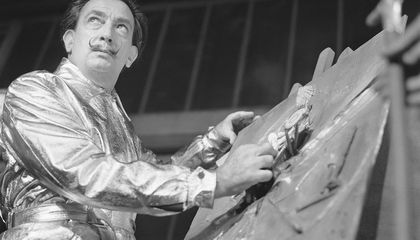
Image via Smithsonian Magazine
A 330-Pound Dalí Bronze Vanishes in France, and It Feels Like Someone Stole a Piece of Our Common Memory
Somewhere in France, thieves managed to make off with something you don’t exactly slip into a coat pocket: a 330-pound bronze book cover designed by Salvador Dalí. The piece belonged to an extraordinary volume called "Livre de l’Apocalypse," a collaboration involving 14 artists and writers, and by all accounts it wasn’t just rare, it was monumental—one of those objects that makes you stop and remember what human hands and imagination can still do.
In the old days, even folks who didn’t care much for “high art” understood that museums, libraries, and historic collections were part of the town’s pride. You didn’t have to know Dalí from Da Vinci to know you don’t take what isn’t yours—especially not from the places we set aside to teach our kids and grandkids what beauty looks like when it’s made to last.
What stings is the feeling that these thefts aren’t only about money. They’re about breaking the thread that ties a community to its heritage. When a masterpiece disappears, it leaves a hole where wonder used to be.
📺 Jack's Thoughts: There’s a kind of petty selfishness in stealing art that goes beyond ordinary crime, because it robs everyone at once. In the America I remember, we taught respect for other people’s property early—and we backed it up with consequences. I hope the French authorities recover that bronze, and I hope whoever took it learns that civilization isn’t something you can pawn off for cash.
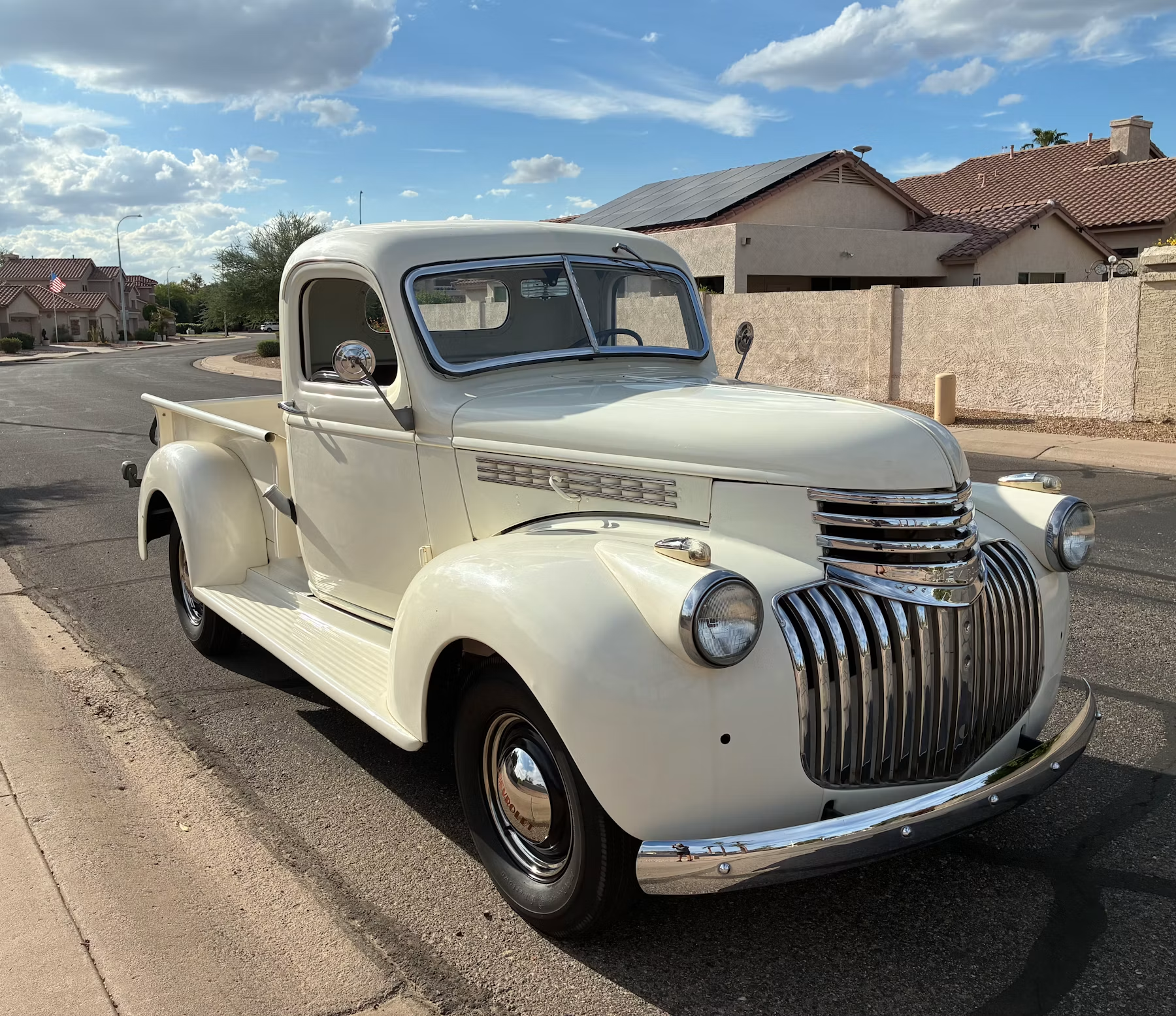
Image via Barn Finds
A 1942 Chevrolet Model BK Reminds Us When Trucks Were Built for Duty, Not Drama
A Barn Finds reader tip sent the writer down a trail of old Chevy trucks, and it landed on a particularly interesting piece of history: a 1942 Chevrolet Model BK, the kind of war-time machine that lived in the space between the factory floor and the front lines. Back then, materials were tight, priorities were clear, and the mission was simple: build what the country needs, build it strong, and keep it moving.
If you grew up around working people, you remember what trucks meant. They weren’t lifestyle statements or rolling billboards. They were a handshake between man and machine—used for hauling feed, pulling stumps, delivering goods, and doing the unglamorous jobs that made everything else possible.
There’s something steadying about seeing a war-era vehicle survive into the present day. It’s not just nostalgia for steel and grease. It’s a reminder that national strength doesn’t start in speeches; it starts in shops, barns, and garages, where ordinary Americans solve problems with their hands.
📺 Jack's Thoughts: I’ve always believed a country’s character shows in what it builds—and how long it lasts. A 1942 truck wasn’t designed to impress; it was designed to endure, and that’s a good lesson for us now. I hope these old workhorses get preserved by folks who understand they’re not just vehicles, they’re rolling history.

Image via Far Out Magazine
Mel Brooks Drew One Line He Wouldn’t Cross, and That Says More Than the Joke Ever Could
Comedy has always walked a tightrope, and Mel Brooks spent a lifetime balancing on it better than almost anyone. According to a recent look back, Brooks said he only felt he went too far once in his long career—and when he realized it, he deleted the scene from his 1974 film because it was, in his words, "bad taste." Coming from a man famous for pushing boundaries, that little moment of restraint is worth noticing.
People argue these days about what’s “allowed” and what isn’t, and too often the conversation turns into scolding on one side and shrugging on the other. But the older, wiser approach is something most of us grew up with: you can be funny without being cruel, and you can be bold without forgetting you’re speaking to human beings.
What I like about Brooks’ reflection is that it treats good judgment like a virtue, not a surrender. There’s a difference between being fearless and being careless, and it takes maturity to admit when you’ve wandered from one into the other.
📺 Jack's Thoughts: I don’t need every joke polished and safe, but I do respect a comedian who knows there’s a line and takes responsibility when he crosses it. The best humor has always had a little heart in it—something that laughs with people more than it laughs at them. If more of our public life had that mix of courage and conscience, we’d all breathe easier.
That’s enough for tonight. Hold on to the things that last—good workmanship, honest rules, and a little grace for one another. We’ll meet back here tomorrow, and we’ll keep looking for the bright spots.
— Jack Reynolds