Today’s Sponsor
The midterms are behind us — but market uncertainty isn't. Options premiums can look attractive right now, yet the obligations behind them demand equal attention. Assignment risk, capped upside, and capital requirements don't disappear just because the premium looks good.
Our free Income Strategies with Options guide breaks down the mechanics clearly — obligations beside potential income, downside mapped before any trade. The premium is visible immediately; the obligation may arrive later. Read the guide before a tempting quote becomes a costly position.
Send Me the Free ReportBy clicking this link you agree to receive emails from StockEarnings and our affiliates. You can opt out at any time. Privacy Policy.

Wednesday night reflections with a grateful nod to our veterans, plus a peek at a fastback that still turns heads and a supergroup moment that reminds you how good songwriting can be.
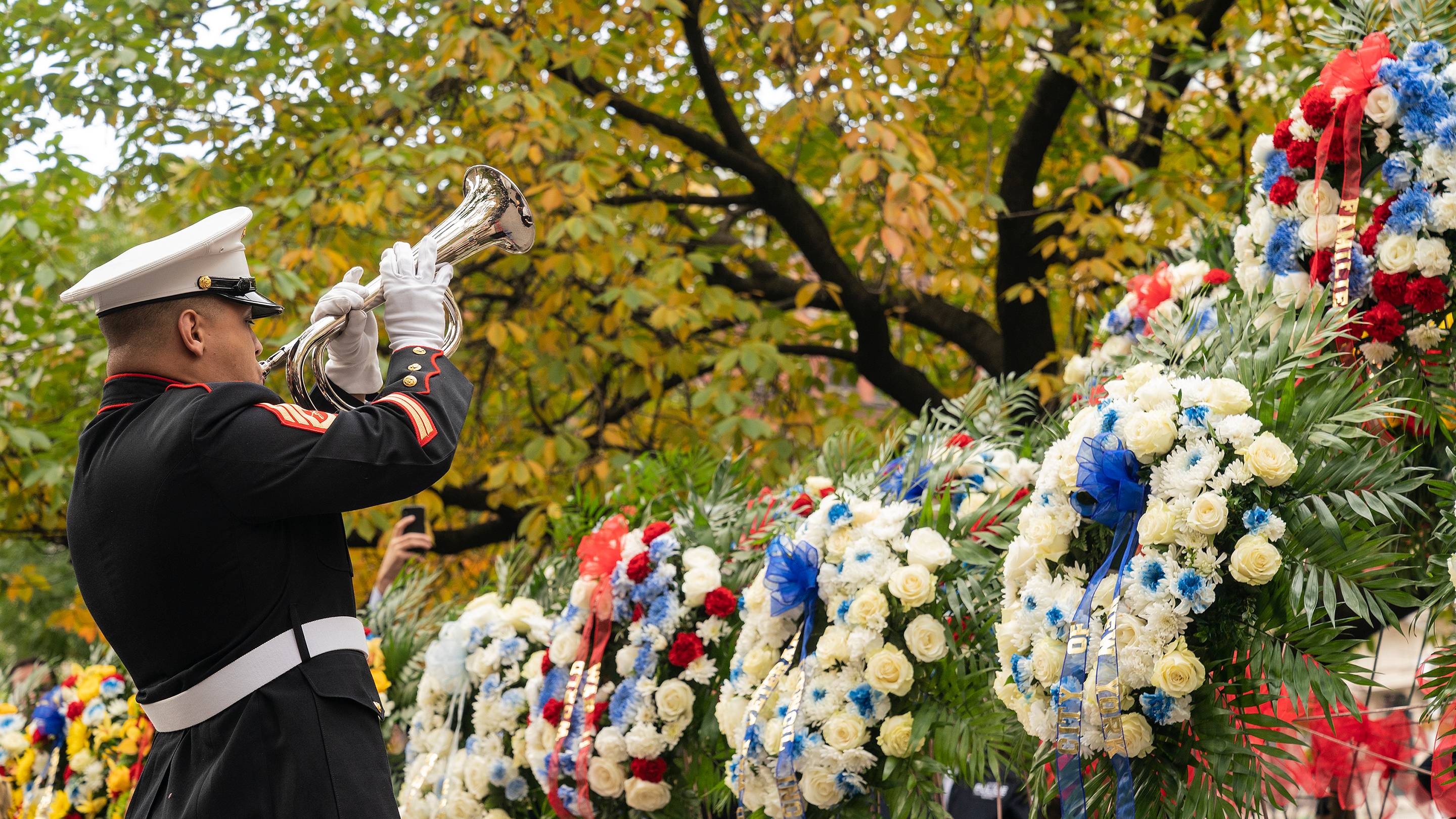
Image via Mental Floss
From Armistice Day to Veterans Day: How November 11 Grew Bigger Than One War
If you grew up when the calendar still felt like a shared family schedule, you probably remember that November 11 carried a special hush. It started as Armistice Day, tied to the moment the guns went quiet in World War I, with the armistice taking effect on the eleventh hour of the eleventh day of the eleventh month. For many towns, it wasn’t just a date in a textbook; it was a living memory, marked with ceremonies, church bells, and a kind of reverent stillness.
Over time, the meaning widened. As more Americans served in later conflicts, the country recognized that gratitude shouldn’t be limited to one generation or one battlefield. That shift is part of why Armistice Day became Veterans Day in the United States, honoring all who served rather than only those connected to World War I. Today is a good day to remember both truths at once: the blessing of peace, and the debt we owe the men and women who wore the uniform.
To every veteran reading this, and to every family who has carried that burden alongside them, thank you. Your service helped keep ordinary American life possible: the small-town parades, the Friday-night lights, the front-porch conversations, and all the quiet freedoms we too easily take for granted.
📺 Jack's Thoughts: I’m glad we expanded the day to honor all veterans, because a promise made to one generation of service members ought to be kept for every generation. But I also hope we never lose the original heartbeat of Armistice Day: a grateful pause for peace itself. The best tribute we can offer is steady respect, real support, and a country worthy of the sacrifices made in its name.
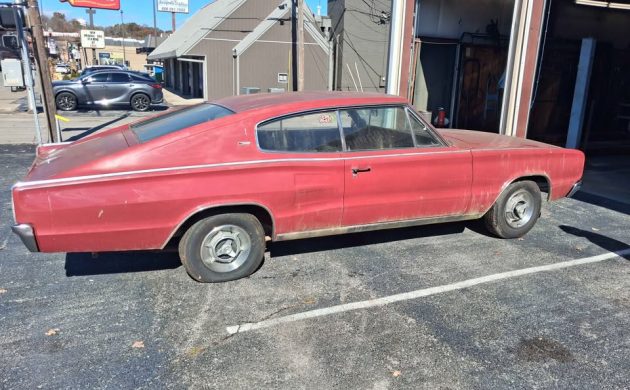
Image via Barn Finds
The 1966 Charger Fastback and the Little Details That Make You Smile
Some cars don’t just take you somewhere; they take you back. The 1966 Dodge Charger fastback is one of those machines that can pull you right into the mid-’60s, when styling was bold, engines sounded like they meant it, and Detroit wasn’t shy about giving a car its own personality. The look is unmistakable: long lines, a sporty roofline, and that sense that it was built for more than just errands.
One of the fun touches is the Fratzog badge, a word that sounds like it belongs on a space-age cereal box, but was Dodge’s quirky mid-century emblem. It’s the kind of detail that reminds you how designers once had permission to be playful and proud at the same time. For folks who grew up reading car magazines at the kitchen table or circling dream cars in the Sunday paper, it’s hard not to feel the tug of nostalgia.
Even when a classic needs work, you can see the promise in it. A car like this doesn’t just represent horsepower; it represents a time when a person could tinker in the driveway, learn by doing, and feel a real sense of ownership over the things they maintained with their own hands.
📺 Jack's Thoughts: I’ve always believed a classic car is a little piece of civic memory: it carries the design confidence and blue-collar know-how of its era. When we preserve machines like this, we’re also preserving the idea that skill matters and craftsmanship is worth the trouble. And there’s something steadying about that in 2026.

Image via Far Out Magazine
When Tom Petty Joined the Wilburys, He Found the Songwriter’s Songwriter
By the late 1980s, rock had plenty of flash, but the Traveling Wilburys were built on something older and sturdier: songs, friendships, and a shared respect for the craft. When Tom Petty joined that circle, it wasn’t about ego or spotlight. It was about sitting in the room with great musicians and letting the work speak.
The story goes that Petty immediately recognized the best songwriter he’d ever encountered in that group. If you’ve ever watched real talent up close, you know how that feels: admiration without jealousy, the kind that makes you want to sharpen your own pencil. The Wilburys had that front-porch quality to them, too, like a jam session where everybody listens and nobody’s trying to drown out the others.
It’s a good reminder that the music we still hold onto wasn’t made by committee. It came from people who took words seriously, trusted melody, and understood that a great song doesn’t need to shout to last.
📺 Jack's Thoughts: I love that Petty, with all his success, could still tip his hat to someone else’s genius. That kind of humility is a lost art, and it’s also the soil where the best work grows. If we want better culture, we should reward craftsmanship again, whether it’s a lyric, a lesson, or a life lived with quiet excellence.
That’s all for tonight, friends. Say a prayer for our veterans, check in on someone who could use a steady word, and remember: the best parts of the old days were never just the stuff, but the way we treated one another. We can still carry that forward.
— Jack Reynolds