Gold just surged past $4,150/oz — and Goldman Sachs sees it hitting $5,400 by end of 2026, with J.P. Morgan targeting $6,000. Central banks are buying at historic levels, rate cut expectations are rising, and momentum is building fast. The window to get positioned may be closing.
When gold runs, quality miners can run harder — and we've identified 4 gold stocks with serious leverage to higher prices. Get our free report now before the next leg up.
Get the Free Report — 4 Gold Stocks to Watch NowBy clicking the link above, you agree to receive future email alerts from us and partner subscriptions. You can opt out at any time. Privacy Policy

Tonight’s trip back takes us from a supercharged Studebaker with big hopes, to a young star asking for basic respect, to the humble toothpaste tube that nudged America toward healthier smiles.
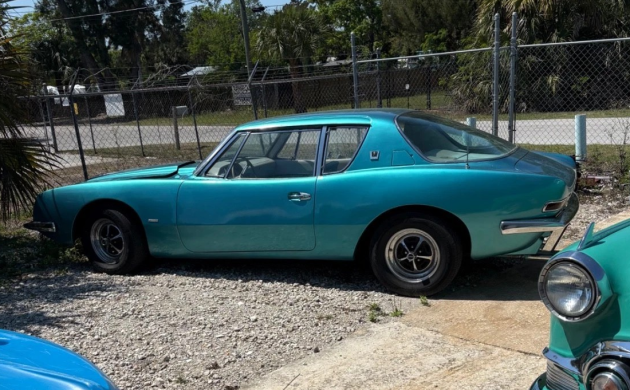
Image via Barn Finds
R2 Supercharged: When Studebaker Took One Last Swing with the Avanti
There are cars that feel like a company’s signature, and then there are cars that feel like a company’s prayer. The 1963 Studebaker Avanti was the kind of forward-looking machine that showed real nerve: low, sleek, and modern in a way that didn’t beg for permission. It was meant to be a halo car, the sort of attention-getter you parked in the showroom to remind folks that American ingenuity still had plenty of spark.
This particular Avanti is an R2, which is the kind of designation that makes old car lovers sit up a little straighter. Supercharged power, distinctive styling, and that unmistakable early-60s confidence all wrapped into one “what could have been” package. You can almost picture it rolling past the diner on a Friday night, the kind of car that didn’t just get you home, but made the trip feel like an event.
Reading about the Avanti always stirs up the same feeling: admiration mixed with a little wistfulness. Studebaker was trying to hold onto its place in a changing market, and the Avanti was proof they still knew how to dream big. Whether you see it as a collectible, a conversation piece, or a chapter in America’s industrial story, it’s hard not to respect a machine built with that much ambition.
📺 Jack's Thoughts: I’ve always believed America is at its best when we reward bold builders and practical dreamers, and the Avanti is exactly that kind of artifact. It reminds me that style and substance don’t have to be enemies, and that taking a chance is part of our national character. Even if the business story didn’t end the way folks hoped, the courage behind it still deserves a tip of the hat.
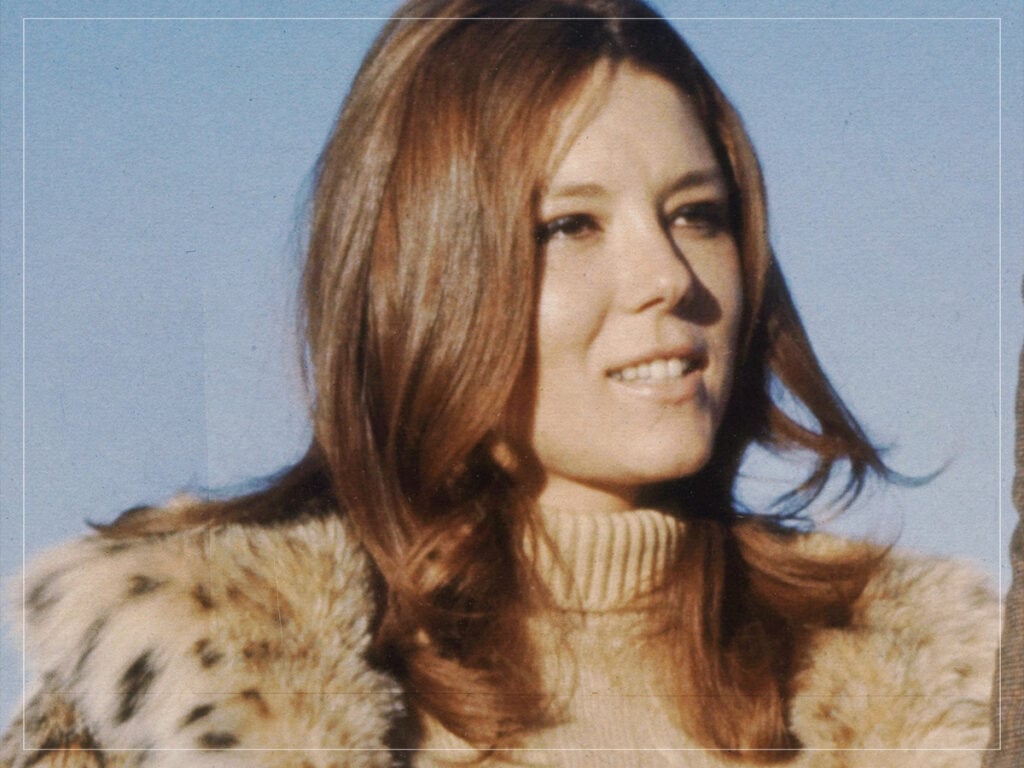
Image via Far Out Magazine
Diana Rigg and a 1965 Reminder: Simple Respect Shouldn’t Be a Fight
Every so often you stumble on a story that makes you pause, not because it’s complicated, but because it’s so plain. Back in 1965, Diana Rigg made a straightforward request about how she was treated and credited, and she was vilified for it. The piece captures how quickly a young woman could be painted as “difficult” simply for asking to be regarded as a professional.
It’s a sobering little window into the era’s entertainment world, where glamour on the screen didn’t always match fairness behind the scenes. Many of us grew up admiring stars for their poise and talent, but stories like this remind you that poise is often what people develop when they’re forced to carry themselves through needless resistance.
What lingers is her quoted frustration: “It’s so depressing.” That line doesn’t sound theatrical; it sounds human. And it’s a good nudge for the rest of us, because even in ordinary workplaces, the smallest requests for basic respect can tell you a lot about the culture of the room.
📺 Jack's Thoughts: I don’t see anything radical about wanting fair treatment and proper recognition; that’s just good manners and good business. In the America I remember admiring, you could disagree with someone and still treat them decently, and you didn’t punish folks for speaking plainly. If there’s progress worth preserving, it’s the simple idea that dignity is not a privilege handed out by gatekeepers.
From Tooth Powder to Fluoride: How a Little Tube Became a Big American Habit
It’s funny what you find when you look back at old advertisements: not just the slogans, but the values hiding inside them. This look at toothpaste through the decades traces the journey from 1890s tooth powders and early tube concepts to the big turning point of fluoride becoming a household word. For something so ordinary, toothpaste has a surprisingly rich history in American daily life.
In the mid-century years especially, the bathroom shelf became a small stage for modern living. The ads promised confidence, health, and the kind of clean-cut presentation that fit the era’s belief in self-respect and personal responsibility. And then, as fluoride gained ground, the message shifted toward prevention and science, the idea that a family could make a simple, steady choice that paid off for years.
What I like most about this kind of history is how it shows America’s practical side. We weren’t just chasing shiny new things; we were learning, adjusting, and building better routines. One small habit, repeated morning and night, is a quiet kind of progress.
📺 Jack's Thoughts: I’m partial to reminders that a good life is usually built from small disciplines, not grand speeches. The old toothpaste story is really about families taking health seriously and companies competing to serve them better, which is a very American combination. If we want a stronger future, we could do worse than returning to the basics: steady habits, clear information, and the belief that personal responsibility still matters.
That’s it for tonight, friends. The Avanti’s bold lines, Diana Rigg’s quiet insistence on respect, and even a simple toothpaste tube all point to the same lesson: the good old days weren’t perfect, but they were full of people trying to do things a little better. Rest easy, and we’ll meet right back here tomorrow with another warm trip down the road.
— Jack Reynolds