Sponsored By:
Global tensions are quietly reshaping the market — and Street Ideas has identified three under-the-radar small-cap stocks tied to defense infrastructure, energy security, and next-generation technology that are already starting to move.
These shifts don't wait. Our free Market Themes Report breaks down exactly what's happening, why these sectors are heating up, and which three small-caps are appearing on our radar right now — before the crowd catches on.
Get the Free Market Themes Report*We encourage readers to perform their own research and due diligence on any information we provide. By clicking the link you will automatically be subscribed to the Street Ideas Newsletter.

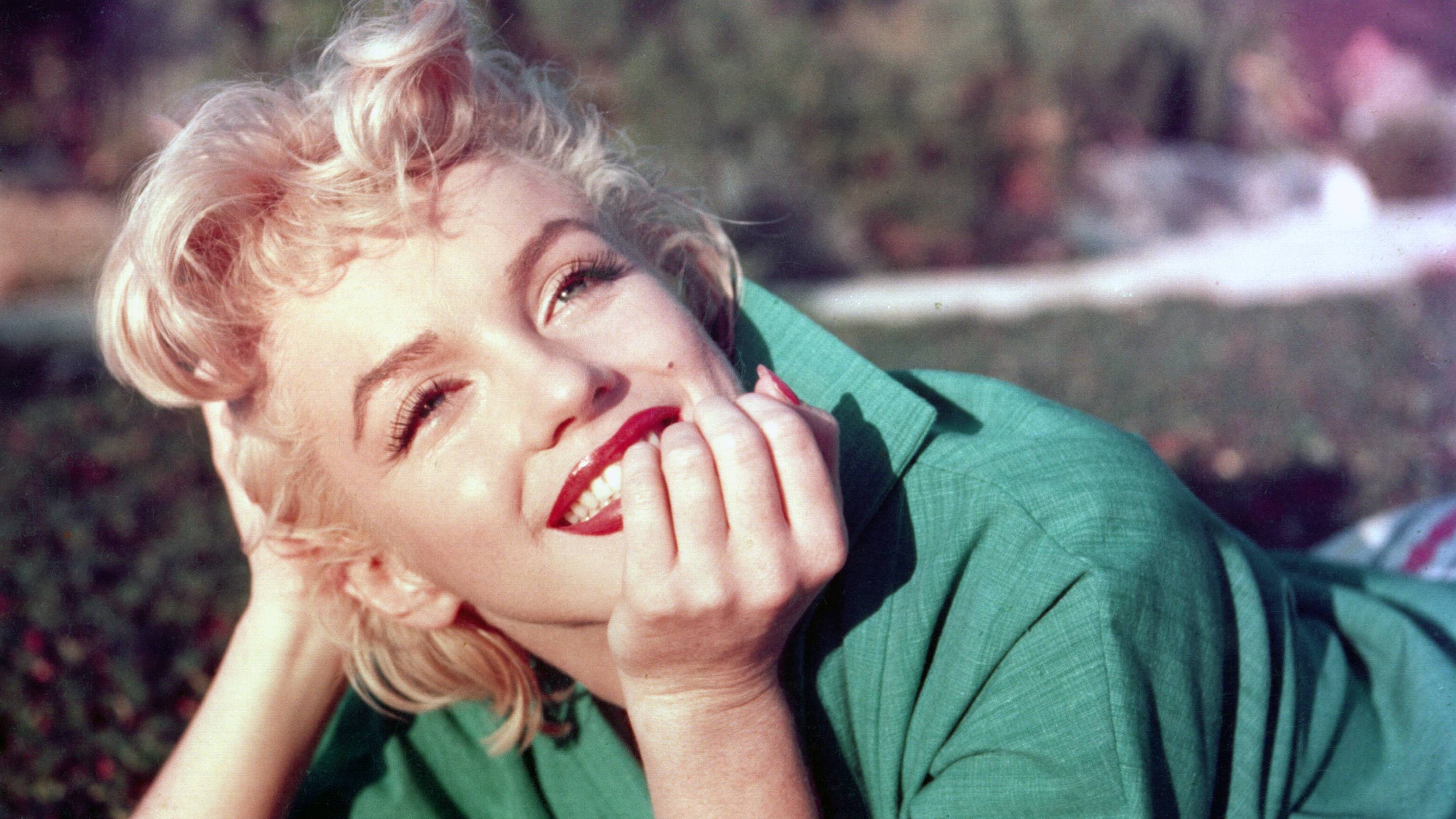
Image via Mental Floss
The Quiet Reinvention Behind the Name "Marilyn Monroe"
Mental Floss was out with a report explaining why Marilyn Monroe changed her name—and what it was before the world ever knew her as Marilyn. It’s one of those reminders that the most famous faces in American life often started out as regular people with regular troubles, just trying to find steady ground.
According to the piece, the woman we remember as Marilyn Monroe wasn’t born with that name at all. Before the studio lights and movie posters, she moved through a few different identities, shaped by a difficult childhood, family instability, and the kind of early adulthood that asked her to grow up too fast. Mental Floss walks through how those name changes tracked with the turns in her life—from her earliest days, to her first steps into modeling and Hollywood, to the moment the screen-ready name “Marilyn Monroe” was chosen and made official.
What stuck with me is how practical it all was. This wasn’t just vanity or a clever marketing trick. It was show business, yes, but it was also survival and starting over—and in those days, the studios cared a great deal about a name that sounded bright, memorable, and distinctly American. By the time the public met her, the new name wasn’t just a label. It was a promise of a new life, even if the old life never fully stopped tugging at her sleeve.
📺 Jack's Thoughts: There’s something very mid-century about this story, and I mean that in the best way. Back in the ’50s and ’60s, people still believed you could turn a page and begin again—sometimes by moving to a new town, taking a new job, joining the service, or, yes, taking a new name. Not because you were trying to fool anyone, but because you were trying to become the person you felt you were meant to be. Today we talk a lot about “authenticity,” but the old-fashioned version of authenticity was often quieter: do the work, keep your chin up, and build a life that matches the best of your intentions. Marilyn’s story also reminds us to be careful with our judgments. We freeze people in time—a famous smile, a famous dress, a famous scene—and we forget there was a real young woman underneath it, making hard choices in an unforgiving world. The name “Marilyn Monroe” became an American symbol, but the person behind it was still working through the same human questions the rest of us do: Where do I belong? Who will care for me? What do I do with the cards I’ve been dealt? And maybe that’s why this little bit of history matters now. In an age when so much feels noisy and performative, it’s grounding to remember that reinvention used to be tied to responsibility—to earning your way, paying your bills, trying again. If there’s a takeaway for the rest of us, it’s that a new start is possible, but it’s rarely painless. It takes courage, and it takes character, and it often asks you to carry your past with a little grace. Read the full story at Mental Floss.
Read the full story at Mental Floss →
That’s all for tonight, friend. The past can’t be replayed, but it can still steady our hands—and tomorrow is always waiting with a fresh page.
— Jack Reynolds