Sponsored By:
You don't need to chase hundreds of tickers — you just need to spot the right signal. The team at Trading Ideas cuts through the noise and zeroes in on repeating patterns that show up before strong market moves.
One of those signals just fired on a company most investors aren't watching. The setup, the data, and the timing window are all inside their latest alert — and it won't be relevant for long.
See the Report & Company Name*We encourage readers to perform their own research and due diligence on any information we provide. By clicking the link you will automatically be subscribed to the Trading Ideas Newsletter.

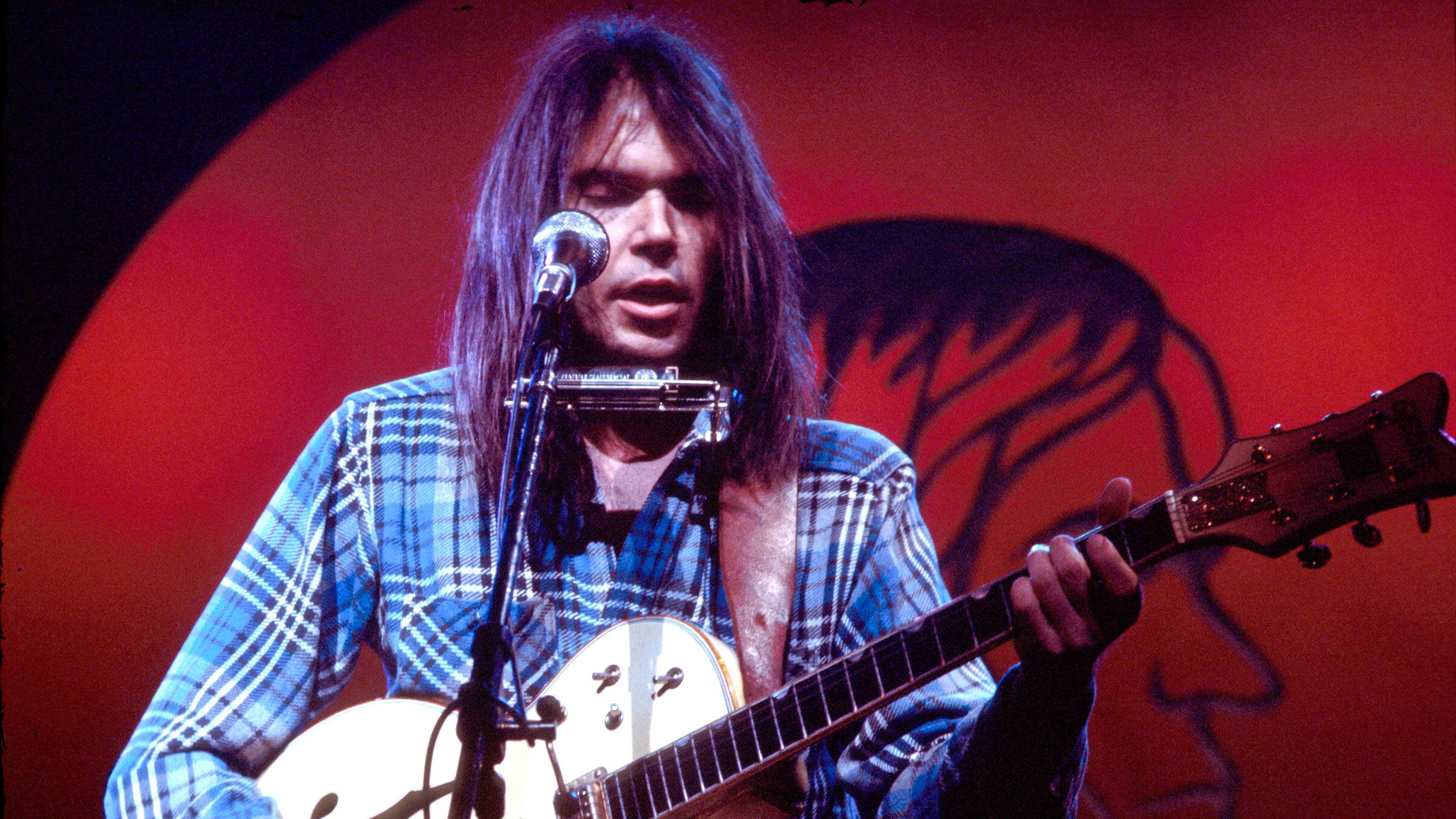
Image via Mental Floss
Nine popular songs inspired by real-life true crime
Mental Floss published a report highlighting nine popular songs inspired, in one way or another, by real-life true crime cases—cases that rattled towns, made headlines, and lodged themselves so firmly in the national imagination that songwriters turned them into melody and rhyme.
The piece argues that long before podcasts and streaming docuseries turned true crime into an industry, musicians were already transforming grim headlines into songs people could hum. While countless crimes have been recounted across books, TV specials, and audio series, only a small number have resonated widely enough to enter the catalogs of major artists—tracks that became radio staples or familiar background music until you realize what they’re actually about.
Rather than treating it like gossip, the story reads as a tour through cultural memory: how crime becomes story, story becomes ballad, and ballad outlives the headlines—and sometimes the people involved. The through-line is that music has long been one way Americans process what’s hard to make sense of, including the darker corners of human behavior.
📺 Jack's Thoughts: There’s something unsettling about singing along to tragedy, and it’s worth admitting. Crime reporting once tended toward more restraint—imperfectly, but often with a sense that victims and communities weren’t just content. Today, true crime can feel like a hobby you subscribe to. Still, these songs sit inside a long American tradition: folk music has always carried hard stories—accidents, outlaws, disappearances—because a song can compress chaos into something people can hold. At its best, it’s not celebration but remembrance, warning, and a kind of moral accounting. More of this is likely inevitable. The real question is what kind of listeners we choose to be—keeping basic decency in mind, remembering the real families and towns behind the sensational stories, and aiming for curiosity without cruelty and storytelling without turning sorrow into a souvenir.
Read the full story at Mental Floss →
Until tomorrow night, take care of each other—and if you can, leave the world a little steadier than you found it.
— Jack Reynolds