Successful investing starts with better research. RushTheStreet cuts through the noise to spotlight companies in AI, small-cap equities, gold & silver exploration, biotech, and high-momentum markets — sectors where timing and insight matter most.
Join a community of informed investors getting free, in-depth research on the opportunities that could matter next. Don't wait for the headlines — get ahead of them.
Get Free Investment ResearchBy clicking the link above, you agree to receive emails from rushthestreet.com. You can opt out at any time. — Privacy Policy

A little good news for old car lovers, a photo walk through hard-edged Glasgow, and a soulful reminder of what the 1970s sounded like when the radio meant something.
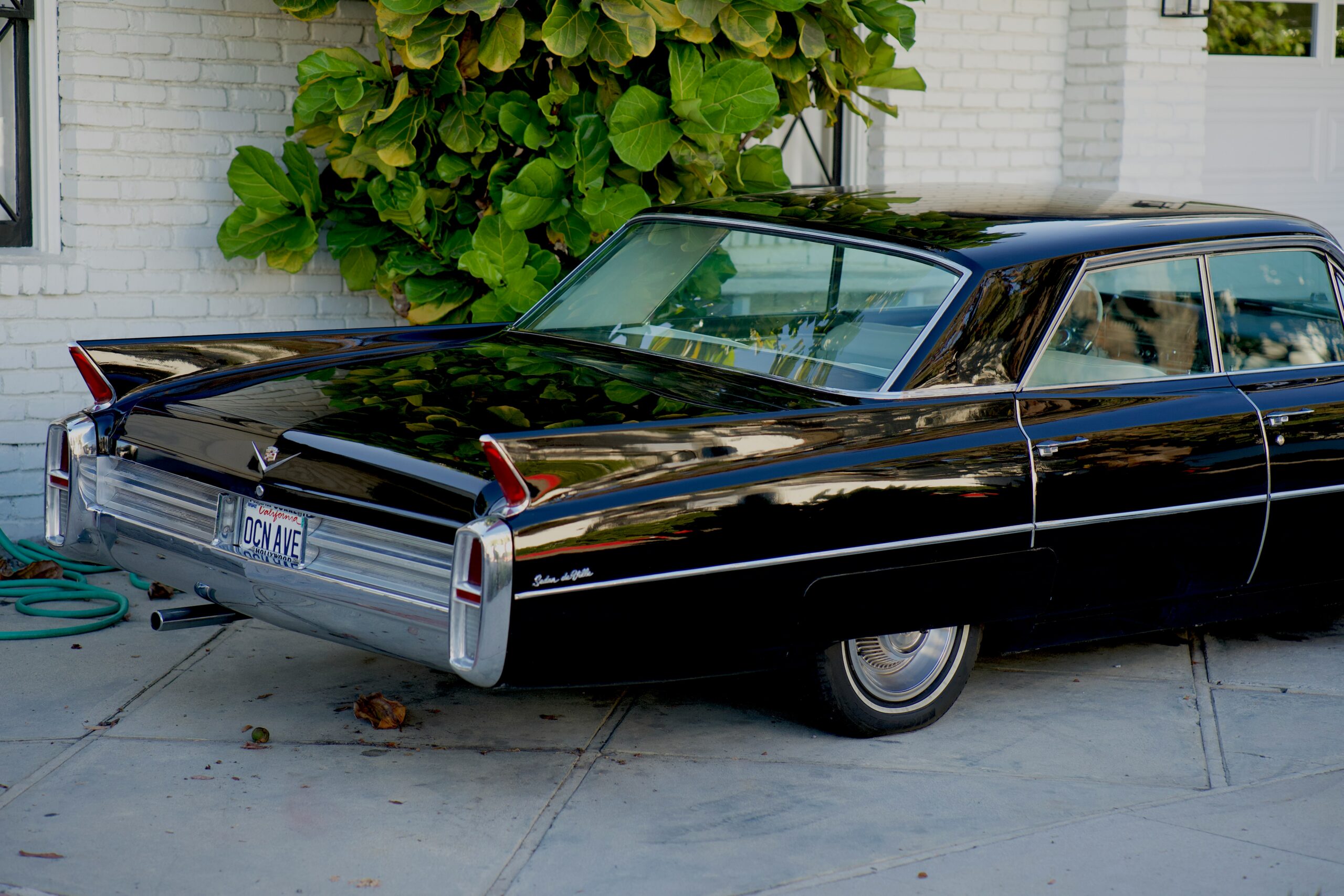
Image via Hagerty
California’s Classic Cars Get a Step Closer to Breathing Easier
Back when a car hit 100,000 miles, folks treated it like a badge of honor, not a reason to send it to the scrap heap. That’s why a lot of enthusiasts are watching California’s Senate Bill 1392, nicknamed “Leno’s Law,” which has now cleared a key committee step after a similar effort fizzled out last year.
The idea is simple enough for anyone who ever tuned a carburetor in the driveway: certain older, collector vehicles would get relief from the state’s regular smog check requirements. Supporters argue these cars are driven sparingly, cared for meticulously, and represent rolling history more than daily transportation.
It’s still a process, and nothing is guaranteed until it’s fully through the legislature. But for the people keeping classics alive—Camaro folks, Mustang folks, the men and women who still know what a points ignition is—this committee win feels like the kind of steady progress you make when you don’t give up after the first “no.”
📺 Jack's Thoughts: I’ve always believed we should make room for the people who preserve history with their own hands, and classic cars are part of that story. If a vehicle is truly a limited-use collector, it makes sense to regulate it differently than the daily commuter stuck in traffic all week. Good laws ought to be practical, and they ought to respect the difference between a hobbyist’s weekend cruiser and an everyday workhorse.
📎 Hagerty
Glasgow in the ’70s and ’80s: Grit, Pride, and Real Street Life
There’s a certain look cities had in the 1970s and 1980s—brick and soot, hard light on wet pavement, faces that told you people worked for what they had. A new photo feature on Glasgow from those years leans into that truth, showing a city that could feel as tough and electric as New York did in the same era.
What comes through most isn’t misery for its own sake, but honesty. The photographer’s comments push back against the kind of staged, “cute” street-kid imagery that turns real neighborhoods into somebody else’s art project. These pictures feel closer to what many of us remember: kids growing up fast, adults keeping their dignity, and communities that had their own code.
It’s a reminder that nostalgia isn’t always pastel and chrome. Sometimes it’s the strength of ordinary people in an ordinary week—heading to work, minding family, and finding small joys anyway. And if you grew up anywhere near a factory town or a port city, you’ll recognize the look in their eyes.
📺 Jack's Thoughts: I don’t miss the crime and the decay that some big cities struggled with back then, but I do miss the plainspoken realism—people calling things what they were and taking pride in making do. These photos honor working-class life without turning it into a punchline or a performance. We’d be better off today if we remembered that dignity doesn’t come from branding, it comes from responsibility and community.
📎 Flashbak
Ten Soul Essentials That Still Sound Like Home
If you lived through the 1970s with a radio on the kitchen counter, you know soul music wasn’t just entertainment—it was company. Goldmine highlights ten essential soul songs drawn from music executive Joe McEwen’s new book, Shining Stars, and it reads like a reminder of what the decade did best: melody, message, and musicianship.
Soul in that era had a special mix of polish and grit. The arrangements could be smooth as a Sunday suit, but the feeling was honest—songs about love that lasted, love that hurt, and hope that kept showing up even when the world was messy. It’s the kind of music that didn’t need a thousand gimmicks; it just needed a voice, a groove, and something true to say.
For folks who came of age when records were something you held in your hands, lists like this aren’t about ranking. They’re about remembering where you were when a song hit you just right—driving at night, dancing in the living room, or sitting still because the lyrics finally said what you couldn’t.
📺 Jack's Thoughts: I’m glad someone is still treating soul music like the American treasure it is, not just background noise for commercials. Those songs carried craftsmanship and heart, and they rewarded listeners who paid attention. In a time when so much feels disposable, it’s good to revisit art that was built to last.
📎 Goldmine
That’s the evening’s little trip back—cars worth saving, cities worth understanding, and songs worth keeping close. Rest easy tonight, and let tomorrow find us steady, grateful, and still hopeful.
— Jack Reynolds