Today’s Sponsor
One oil market disruption can trigger a chain reaction — tighter supply, shifting routes, and producers scrambling to adapt. Our research team has pinpointed 3 energy stocks uniquely positioned to benefit from this ripple effect, and each one has a distinct edge as the global energy landscape shifts.
These aren't just bets on higher oil prices. Inside Trading the Oil Supply Shock: Top 3 Energy Stocks Emerging From Global Supply Disruptions, we break down exactly what makes each company stand out — and why now could be the moment to pay attention.
Get the Free ReportBy clicking the link above, you're opting in to receive valuable updates from The Investor Newsletter Daily plus 2 bonus subscriptions. Your privacy is important to us. You can unsubscribe anytime. See our privacy policy for details.

Remembering the stars who sang our songs and rode into our hearts
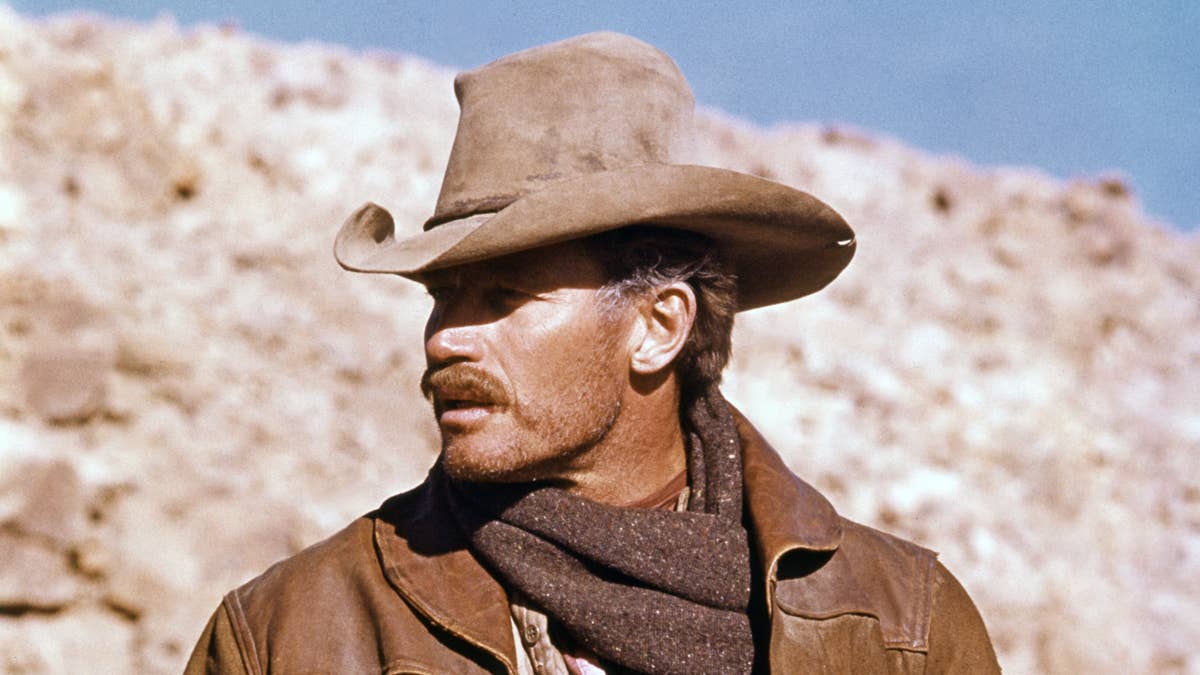
Image via Men's Journal
Charlton Heston's Favorite Role Wasn't the One You'd Think
Of all the towering roles Charlton Heston played—Moses parting the Red Sea, Ben-Hur racing chariots, that defiant astronaut on a beach littered with ruins—his own favorite was a weathered cowhand in a film most folks never saw. Will Penny, released in 1968, featured Heston as an aging ranch hand just trying to make it through another winter. No epic battles, no speeches that echoed through history. Just a man, a horse, and the kind of honest work that built the West.
The film starred Joan Hackett as a frontier woman, Donald Pleasence as a menacing preacher, and a young Lee Majors years before he'd become the Six Million Dollar Man. Critics who saw it recognized something special—the kind of Western that showed life as it really was out there, not prettied up for the cameras. Heston himself said it was the role he was proudest of, and film historians have long ranked it among the finest Westerns ever made.
You can understand why it meant so much to him. There was a dignity in playing a regular working man, someone who got up before dawn and earned his keep with calloused hands. That was the America Heston understood, the one he believed in—where a man's character mattered more than his circumstances, where honest labor was its own reward.
📺 Jack's Thoughts: It says something beautiful about Charlton Heston that his favorite role wasn't the one that made him the most famous or earned him the biggest paycheck. He chose to be proudest of playing a simple cowhand because he understood that nobility doesn't require a crown. That's the kind of Hollywood we could use more of.
Country Roads Led Home for John Denver—and Still Do for All of Us
Twenty-nine years ago today, on October 12, 1997, we lost John Denver when his experimental aircraft went down off the California coast. He was only 53, still writing songs, still singing about the mountains and the country roads that wound through all our hearts. The boy from New Mexico who made us all feel like we belonged in West Virginia left us far too soon.
This past summer, something remarkable happened at the World Cup. American fans, young people who weren't even born when Denver died, began singing Take Me Home, Country Roads in the stands—win or lose, through triumph and heartbreak. The song became our unofficial anthem, dozens of voices rising together in foreign stadiums, finding home in a melody written more than half a century ago. The footage shows fans with tears streaming down their faces, arms around strangers, all singing about a place where they belong.
There's something about that song that touches a nerve deeper than patriotism or sports. It's about longing for home, for simpler times, for a place where life makes sense. Denver wrote it in 1971, but it could have been written yesterday. Or tomorrow. Some truths don't age.
📺 Jack's Thoughts: John Denver understood that home isn't just a place—it's a feeling, a memory, a melody that wraps around your heart. That young people today are finding comfort in his words tells me that the hunger for home and belonging never goes away, no matter how much the world changes around us.

Image via Far Out Magazine
When Glen Campbell and The Wrecking Crew Made Movie Magic
Before Glen Campbell became a household name with his guitar and that voice smooth as Tennessee whiskey, he was part of the legendary Wrecking Crew—the studio musicians who played on more hit records than anyone could count. These were the folks actually playing the instruments on Beach Boys records, Frank Sinatra sessions, and countless other recordings while the credited artists got the glory. It was honest work, the kind where you showed up on time, played your part perfectly, and collected your check.
In 1967, Campbell got a chance to step into the spotlight when he recorded Gentle on My Mind for a movie soundtrack. The song, written by John Hartford, was about a free-spirited love, the kind where two people could drift apart and come together without demands or chains. It became one of Campbell's signature songs, winning Grammys and playing on radios from coast to coast. The movie connection gave it a launch, but it was Campbell's interpretation—tender but never weak, romantic but grounded—that made it last.
That song talked about free love in the 1960s sense, but Campbell sang it with such respect and gentleness that even your grandmother could appreciate it. He had a gift for taking the counterculture's ideas and making them sound like something that could happen in a small town, between two decent people who cared for each other.
📺 Jack's Thoughts: Glen Campbell proved you could be part of the changing times without losing your manners or your roots. He took a song about unconventional love and made it beautiful rather than rebellious, which takes more talent than people realize. That's an artist who understood his audience.
Tonight, as you settle in with your memories, remember that the best of the old days isn't really gone—it lives in every song we still sing, every film that still moves us, every value we choose to keep. The good stuff endures. Sleep well, friends. I'll see you tomorrow evening.
— Jack Reynolds