History shows a clear pattern: the investors who recognized the exact inflection point in the dot-com boom pocketed 400–800% gains in 18 months. Those who spotted the same moment in cloud computing saw 300–600% returns. Based on 50 years of market data, that same moment is happening right now — and the acceleration phase has already begun.
This free 7-page report reveals where we are in the current megatrend cycle, why the next 18 months are critical, and how to position yourself before the window closes. Don't be the investor who enters too late.
Get the Free ReportBy clicking 'Get the Free Report' you are automatically subscribing to Darwin Investor Network and will receive a free subscription to the Chaikin PowerFeed newsletter. Unsubscribing is easy. Privacy Policy

Tonight we remember when movies had substance, when Elvis rode the range, and when family sitcoms brought us together around the television set.
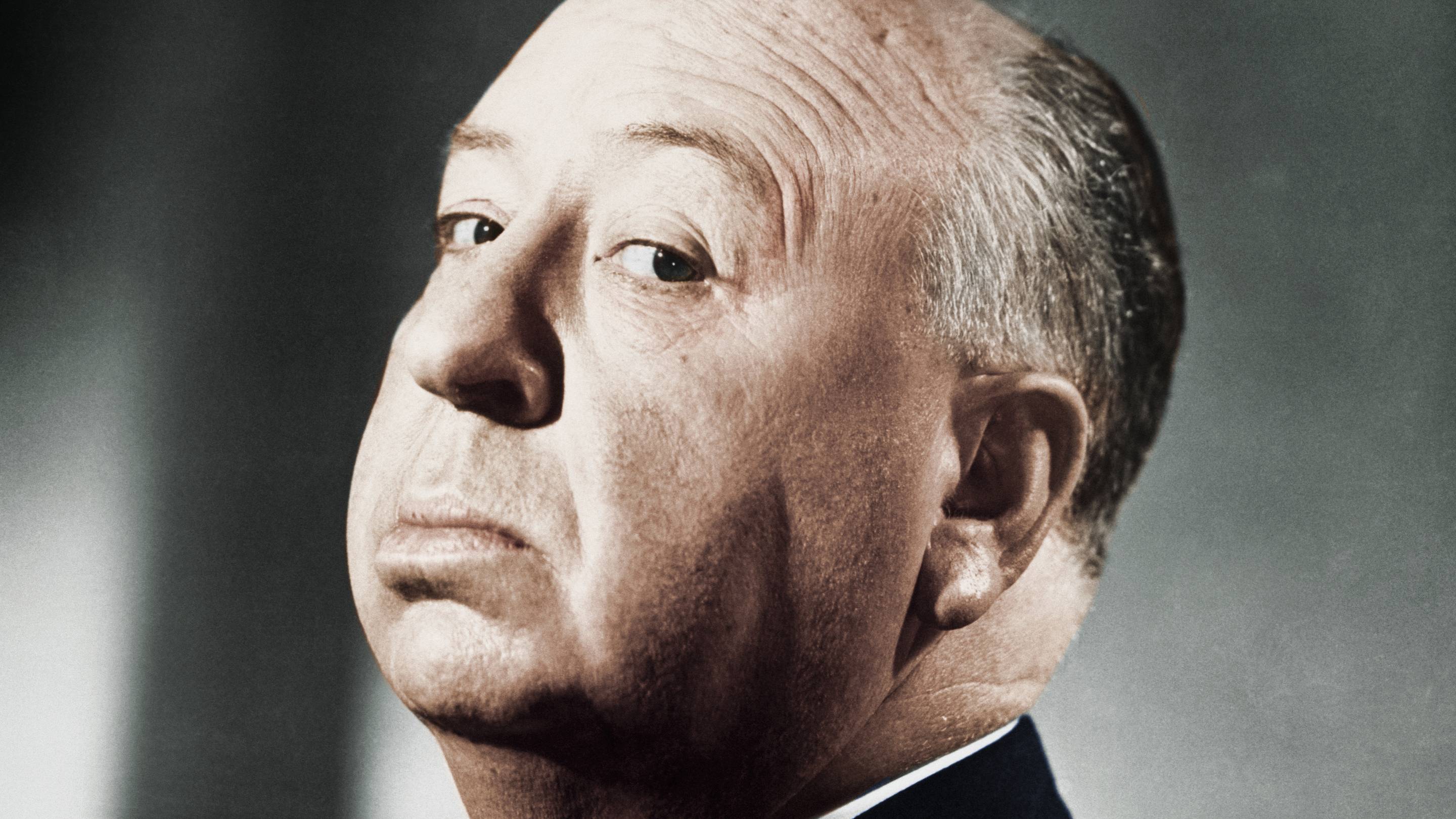
Image via Mental Floss
The Master of Suspense Knew His Best Work When He Saw It
Alfred Hitchcock directed fifty-three feature films in his legendary career, but when asked to name his favorite, he didn't hesitate: Shadow of a Doubt, that eerie 1943 thriller about a charming uncle who brings darkness to small-town America. The film starred Joseph Cotten as Uncle Charlie and Teresa Wright as his adoring niece who slowly discovers the monster beneath her relative's polished exterior.
What made this one special to Hitchcock was its exploration of evil hiding in plain sight, wrapped in respectability and good manners. Set in Santa Rosa, California, the movie painted an idealized portrait of American small-town life, then peeled back the layers to reveal the shadows lurking underneath. It was Hitchcock at his most psychologically complex, long before Psycho or The Birds made him a household name.
The film reminds us of an era when Hollywood trusted audiences to think, when a thriller didn't need car chases or explosions to keep you riveted to your seat. Just a well-told story, brilliant performances, and a director who understood that the scariest monsters often look exactly like the people we trust most.
📺 Jack's Thoughts: I remember watching Hitchcock films on television in the sixties and seventies, when a movie could hold your attention for two hours without a single computer effect. Shadow of a Doubt works because it understands something timeless: evil doesn't always announce itself with a snarl. Sometimes we need to be reminded that discernment and caution aren't old-fashioned virtues, they're survival skills.
The King Traded Blue Suede Shoes for Cowboy Boots
This Saturday marks forty-nine years since we lost Elvis Presley on August 16, 1977. While most folks remember the King for his hip-swiveling rock and roll or his Vegas jumpsuits, Elvis also spent considerable time in the saddle, starring in several westerns that showed a different side of his talents. Films like Love Me Tender, Flaming Star, and Charro! put Elvis in cowboy hats and gun belts, proving he could do more than croon ballads to pretty girls on beaches.
Elvis took these western roles seriously, particularly Flaming Star where he played a young man torn between his white father's world and his Native American mother's heritage. It wasn't his usual lightweight fare, and critics noticed. These films may not have had the cultural impact of his early rock and roll movies, but they showed an actor trying to stretch beyond the formula that made him famous.
Those westerns represented something bigger than just Elvis trying different genres. They were part of Hollywood's last great era of cowboys on screen, when every boy in America still dreamed of riding the range and every Saturday brought a new western to the movie house. Elvis in a cowboy hat wasn't just entertainment. It was two great American traditions meeting on screen.
📺 Jack's Thoughts: Elvis never forgot where he came from, and those westerns showed it. He understood the cowboy mythos because he grew up on it, just like the rest of us did. We're coming up on half a century without the King, and sometimes I wonder if we'll ever see another entertainer who meant so much to so many. He was imperfect, certainly, but he was authentically American in ways that seem harder to find these days.
The Taylor Boys Are All Grown Up Now
More than twenty-five years after Home Improvement signed off the air, part of the Taylor family gathered for a reunion that's making the rounds on social media. Patricia Richardson, who played Jill Taylor, shared a photograph with her television sons Jonathan Taylor Thomas and Taran Noah Smith, and folks are marveling at how much time has passed. Jonathan, who played the middle son Randy, is now forty-four years old and looks quite different from the wise-cracking teenager who left the show in its final season.
Home Improvement ran from 1991 to 1999, pulling in millions of viewers every Tuesday night who tuned in to watch Tim Allen's Tim Taylor bumble through home repairs while dispensing father-knows-best wisdom. The show celebrated traditional family values without being preachy about it, and it treated its blue-collar tool-man protagonist with respect at a time when television was starting to make fathers the butt of every joke.
Seeing these actors together again reminds us of an era when families actually gathered around one television set to watch the same programs together. No streaming services, no devices in every room, just everyone on the couch for half an hour of laughs that didn't require an explanation the next morning.
📺 Jack's Thoughts: Home Improvement was one of the last great family sitcoms before Hollywood decided that traditional families weren't worth celebrating anymore. Tim Taylor wasn't perfect, but he loved his wife, worked hard, and tried his best to raise good sons. That used to be something television celebrated rather than mocked. It's nice to see these folks still have affection for each other and for what they created together.
The past isn't perfect, friends, but it gave us things worth remembering. Sleep well, and I'll see you back here tomorrow evening.
— Jack Reynolds