Palantir, Micron, SanDisk — stocks like these move fast, but the real opportunity is catching them before the crowd does. We've identified 7 under-the-radar stocks worth putting on your radar right now — no mega-cap hype, just names that could be next to move.
This premium report is still free — but that won't last. If you're looking for what the market may notice next, see the full list now before it's gone.
Get the Free Report NowBy clicking the link above you agree to receive emails from StockEarnings and our affiliates. You can opt out at any time. Privacy Policy.

Wednesday night reflections on a Hollywood legend’s haunted wheels, the tunes that only needed one hit to last forever, and a famous London front door that still knows how to tug the heart.

Image via All That's Interesting
James Dean’s “Little Bastard” and the Long Shadow of a Fast Goodbye
There are certain stories that settle into the American memory like a song you can’t quite forget. James Dean’s final drive in 1955 is one of them: a young star, a new Porsche 550 Spyder, and a road that turned tragic far too soon. All That’s Interesting revisits the details around that crash and the way the car itself became a character in the legend—nicknamed “Little Bastard,” talked about in hushed tones, and remembered with a shiver.
What followed is the part that keeps folks talking decades later. Rumors grew that the Porsche was cursed, with a trail of mishaps and strange incidents said to be connected to the wrecked car and its parts after the accident. Whether you chalk it up to coincidence, careless handling, or the human urge to find meaning in heartbreak, the tale has endured—like a campfire story that refuses to burn out.
Underneath the spooky talk is something simpler: in the 1950s, speed and style were selling a dream, and Dean embodied it. But the old lesson still applies, the one your dad or granddad might’ve told you on day one behind the wheel—machines don’t forgive, and the road doesn’t care how young you are.
📺 Jack's Thoughts: I’ve never been much for curses, but I do believe some objects carry the weight of what happened around them. The real “eerie” part isn’t the Porsche—it’s how quickly fame, youth, and promise can vanish on an ordinary stretch of highway. If this story does anything good, I hope it nudges us back toward a little humility: seat belts, common sense, and the understanding that tomorrow isn’t guaranteed.
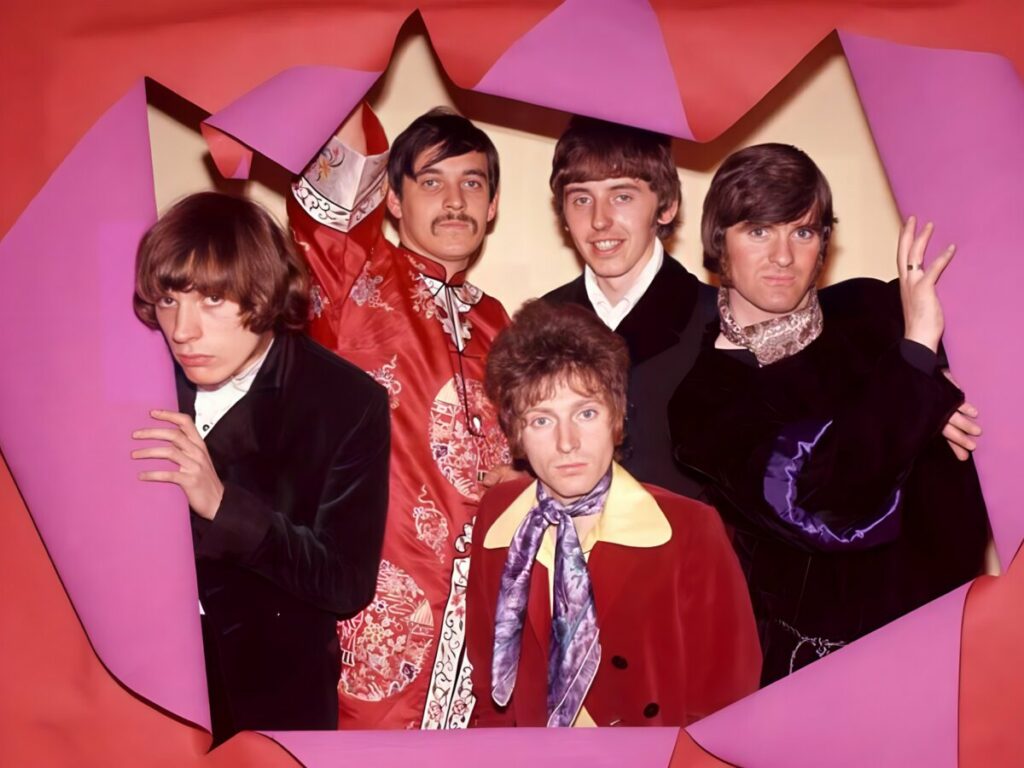
Image via Far Out Magazine
When One Song Was Enough: The 1960s One-Hit Wonders That Still Shine
The 1960s didn’t just change music—it changed the temperature of the whole culture. Far Out Magazine rounds up ten one-hit wonders from the decade, and reading through the list feels like flipping radio stations in a world where every song had a hook, a story, and a little bit of innocence left in it. These were the tunes that barged into the nation’s living rooms, lit up the dance floor, and then—sometimes just as suddenly—stepped aside.
There’s a sweetness to the one-hit wonder that today’s algorithm-driven world doesn’t always understand. In those days, you didn’t need a “brand” and a decade-long rollout. You needed a melody you could hum while mowing the lawn, a chorus that brought people together at the sock hop, and maybe a voice that sounded like it came from the kid next door.
And even if the artist never hit that same height again, the song did its job. It marked a season of life—first cars, summer jobs, Saturday nights, and the feeling that the future was coming fast, whether you were ready or not.
📺 Jack's Thoughts: I’ve always thought one-hit wonders get an unfair shake—sometimes one good song is a perfectly honorable life’s work. The best of them remind us that culture doesn’t have to be complicated to be meaningful; it just has to be shared. If you ask me, a country that still sings together in the car is a country that still has a chance.

Image via Country Living
That Blue Door in Notting Hill Is Looking for a New Chapter
Some movie places don’t just look nice—they lodge in the heart. Country Living reports that the blue-doored home tied to Notting Hill, that cozy piece of cinematic London charm, is up for sale. It’s the kind of detail that sends folks down memory lane, back to a time when romantic comedies felt gentle, conversation mattered, and the world on screen moved at a more human pace.
The property is a three-bedroom home that was once owned by Richard Curtis, the screenwriter behind the film. Even if you’re not the type to follow real estate listings, there’s something oddly comforting about seeing a beloved setting treated like a real place again—bricks, paint, and a front step that’s been stood on by ordinary people, not just characters.
Homes like that remind me that the best stories usually aren’t about glamour. They’re about the everyday things: a door you’ve opened a thousand times, a neighborhood you learn by heart, and the kind of life built one small routine at a time.
📺 Jack's Thoughts: I don’t know who will buy it, but I hope they understand what they’re getting: not just square footage, but a little symbol of warmth and decency. The older I get, the more I appreciate stories that say love can be simple, manners still matter, and privacy is worth protecting. If that blue door teaches anything, it’s that a welcoming home can be a quiet kind of treasure.
That’s the evening stroll for tonight. Keep a good song close, drive carefully, and if you can, do one small steady thing tomorrow that makes home feel like home—because those are the habits that carry a country forward.
— Jack Reynolds