Today’s Sponsor
While other sectors stall, AI investment is accelerating — showing up in earnings calls, corporate budgets, and real-world deployment. Capital is quietly concentrating around companies with clear demand and long-term relevance, and selective opportunities are forming right now.
A new research brief identifies 2 AI stocks trading under $15 that may be positioned for the next phase of growth — including key developments that could move these names in the months ahead.
Get the Free AI Stocks ReportBy following the link above, you're choosing to opt in to receive insightful updates from Investing Ideas Daily + 2 free bonus subscriptions! Your privacy is important to us. You can unsubscribe anytime. See our privacy policy for details.

Thursday night reflections on a sitcom gamble that paid off, a pop milestone that still surprises, and a ’90s muscle bargain that reminds us driving used to feel like an event.
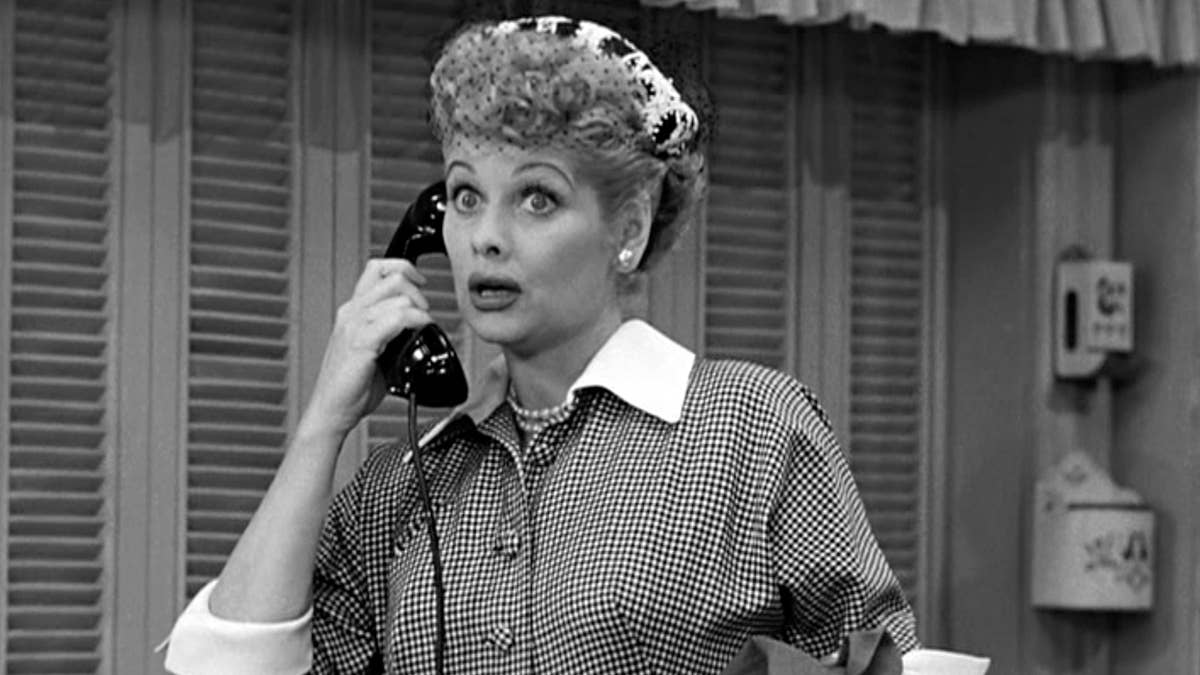
Image via Men's Journal
When Lucy Bet on Desi, She Was Really Betting on America
In 1951, Lucille Ball didn’t just step into television history with I Love Lucy, she helped shape what family entertainment could look like in the living room. One of the most important choices she made was insisting her real-life husband, Desi Arnaz, play Ricky on the show. At the time, it wasn’t the easy, obvious decision some folks pretend it was in hindsight; it was a creative and cultural swing, and it took real confidence to stand firm.
The result is the kind of lightning-in-a-bottle chemistry you can’t manufacture in a conference room. The show went on to win five Emmys and earn a place among the Writers Guild’s best-written television programs, which tells you something about how much craft sat beneath all that laughter. Looking back from today’s world of endless content, it’s a nice reminder that the classics didn’t happen by accident; they were built by people with instincts, standards, and the courage to trust what felt true.
📺 Jack's Thoughts: I’ve always admired that Lucy didn’t let nervous outsiders make her small. She knew what would work, and she fought for it, not with a fuss, but with a steady spine. In a time when everyone tries to “optimize” art, it’s refreshing to remember that sometimes the winning move is simply trusting the people you know and the values you live by.
The Monkees at 60: A Funny Thing Happens When the Years Add Up
Sixty years ago, The Monkees’ debut album landed like a burst of color on the American pop scene, and it’s hard to overstate how quickly they became a household name. What’s charming is that Micky Dolenz still seems genuinely stunned by the milestone, as if the whole thing happened to some other kid and he’s just now catching up with the calendar. That kind of humility is rare, especially in an era where people keep score for a living.
For those of us who grew up with radios on kitchen counters and music that felt like a shared national language, The Monkees weren’t just a band, they were an experience. They arrived with TV-ready energy, sure, but the songs stuck because they were built on melody, timing, and plain old good spirits. When Dolenz looks back, you can hear the wonder in it, and it brings you right back to a time when fun wasn’t something you had to apologize for.
📺 Jack's Thoughts: I know some folks still argue about “manufactured” versus “authentic,” but I’ve always thought the public has a pretty good ear and a pretty good heart. If a song lifts your mood on a rough day, it counts. The Monkees gave a lot of Americans a little joy, and that’s nothing to sneer at.
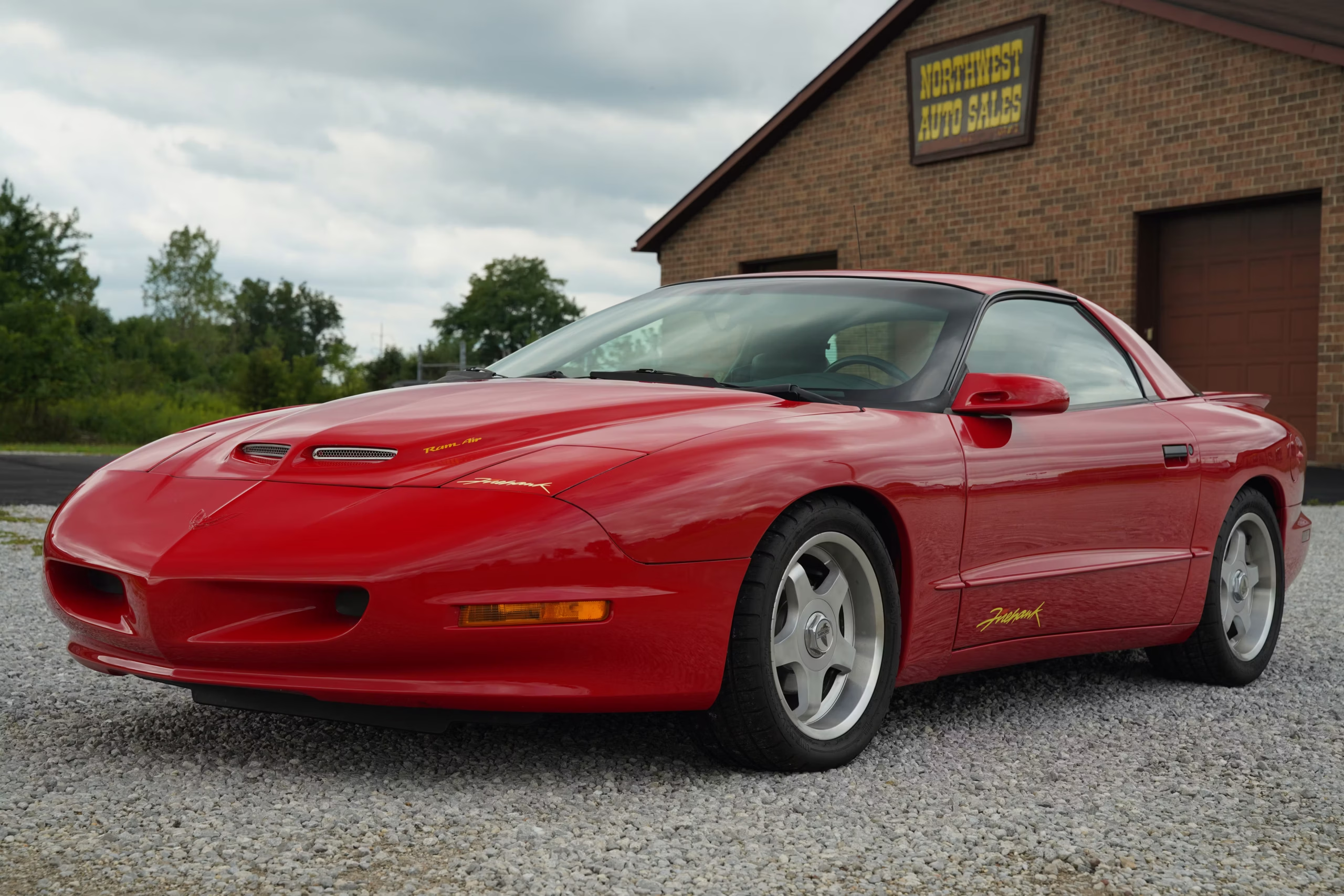
Image via Hagerty
The ’94 Firehawk: Proof You Don’t Need a Fortune to Feel Alive on the Road
There was a time when an American car could be a little outrageous in the best way, and the fourth-generation Pontiac Firebird carried that torch into the 1990s. Hagerty makes the case for a particular bright spot: the 1994 Pontiac Firebird SLP Firehawk coupe, a machine with real presence and a reputation for delivering strong performance without requiring a collector’s-bank-account to enjoy it. Even parked, that shape still looks like it wants to run.
What’s appealing here isn’t only speed; it’s character. The Firebird and its special variants were part of an age when automakers still took risks on style, and drivers still talked about cars the way they talked about ballplayers, with opinions and stories attached. For anyone who misses the feel of a straightforward, rear-wheel-drive American coupe, the Firehawk is a reminder that the last good chapter sometimes arrives later than you’d think.
📺 Jack's Thoughts: I’ve never believed nostalgia means refusing to move forward; it just means you remember what worked. Cars like the Firehawk came from a mindset that valued bold design and honest fun, not just transportation. If you can find a good one and take care of it, you’re not just buying horsepower, you’re buying Saturdays back.
📎 Hagerty
That’s all for tonight, friends. Keep the old songs close, keep the good stories closer, and don’t be afraid to pass the best parts of yesterday on to someone younger tomorrow.
— Jack Reynolds