The Fed held rates, inflation is still above target, and uncertainty is rising — that means the "buy anything AI" trade is over. Smart money is rotating fast toward the companies actually building AI infrastructure: chips, cloud capacity, and mission-critical data tools. Big Tech alone is projected to spend $635B–$665B on AI in 2026 — and not all of it is going where most investors are looking.
We've identified 9 AI stocks worth watching right now — including a lesser-known chip name tied to U.S. AI infrastructure, a cloud player with improving setup, and a data analytics company with government exposure. This isn't hype. It's about following where capital is actually being deployed.
Get the Free Report NowBy clicking the link above, you will receive this free report and a free subscription to the StockEarnings daily email newsletter. You are also agreeing to the terms of our Privacy Policy. Unsubscribe at any time.

A little Hollywood heartache, a look back at the price of a Saturday matinee, and a birthday nod to a swinging-sixties icon—served up warm, with the porch light on.

Image via All That's Interesting
Marilyn’s Quiet Heartbreak: The Father Who Wouldn’t Claim Her
Before Marilyn Monroe became the face on the marquee and the voice on the radio, she was Norma Jeane—another kid trying to figure out where she fit in. A new look back at Charles Stanley Gifford, the man long believed to be her biological father, paints a picture that’s as sad as it is ordinary: a brief relationship with her mother, and then a lifetime of distance when it came to the child left behind.
What lingers isn’t the glamour, but the emptiness behind it. Even after Marilyn became a household name, Gifford reportedly declined to build a relationship with her. In an era when folks like to say celebrity solves everything, this is a reminder that the hardest ache can be the one that never makes the papers—just a daughter wanting a father to say, in plain words, you’re mine.
There’s a reason these stories still tug at us: they touch something older than Hollywood. They remind us that a child can have applause from the world and still feel like she’s standing in the dark if the people who should’ve loved her first chose not to.
📺 Jack's Thoughts: A man doesn’t have to be perfect to be a father, but he does have to show up. In the America I grew up admiring, you took responsibility even when it was uncomfortable, and you did right by the kid who didn’t ask to be brought into the world. I hope stories like Marilyn’s keep us mindful that family isn’t a feeling—it’s a duty, and it’s a gift.
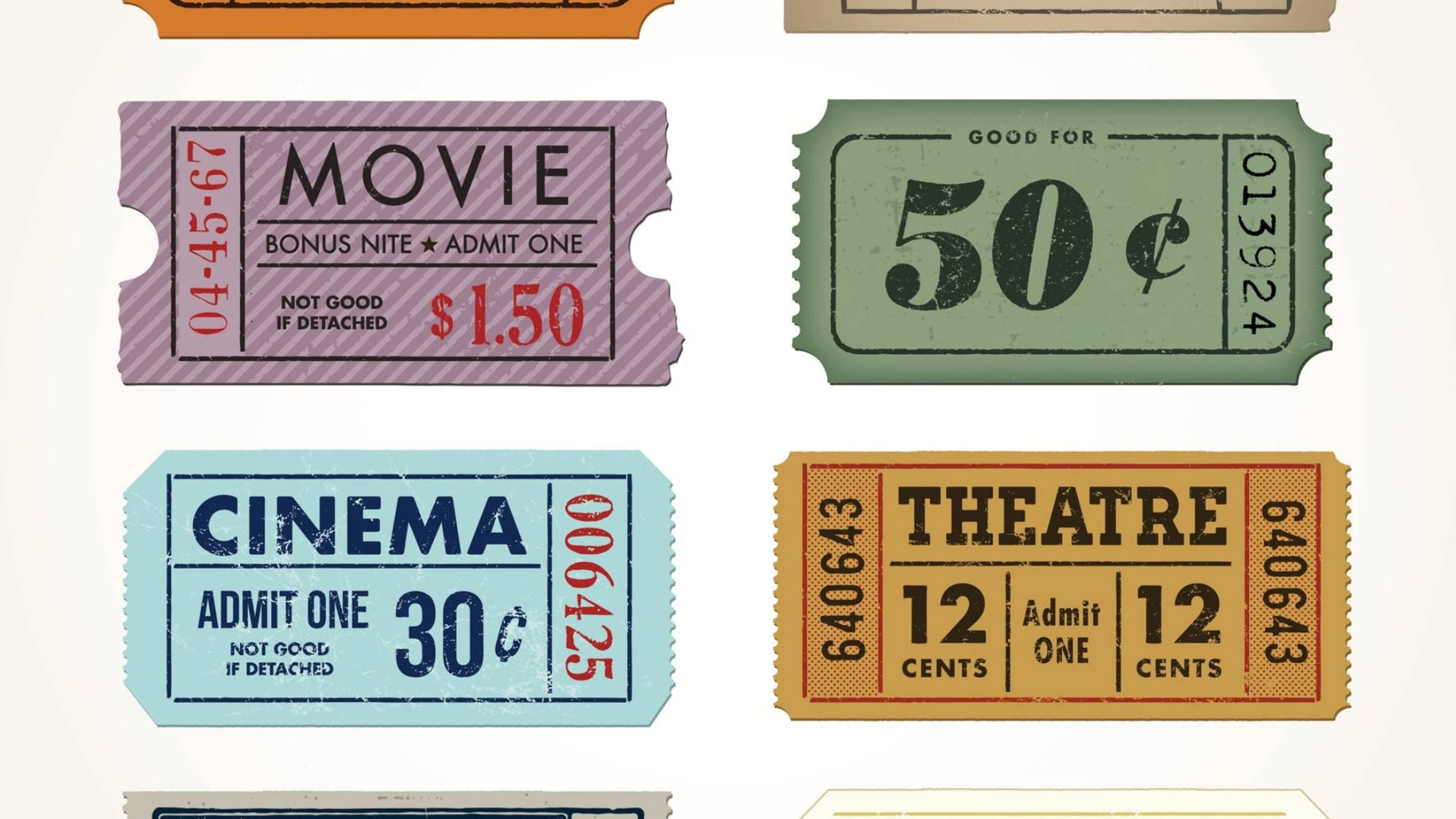
Image via Mental Floss
Remember When a Movie Ticket Didn’t Cost an Arm and a Leg?
There was a time when going to the movies was the easiest kind of family treat. You’d grab the kids, maybe stop for a soda, and settle into those velvet seats while the newsreel flickered and the cartoons got everyone laughing. A look at movie ticket prices by birth year is the kind of simple history that makes you smile—and then whistle low when you see what we pay now.
Back in the decades many of us remember best, the movies weren’t a luxury outing that needed planning and budgeting. It was an ordinary pleasure, like a Friday night drive or a Saturday afternoon matinee, something that fit neatly into the rhythm of working life. Today, between tickets, snacks, and all the rest, a trip to the theater can start to feel like a special occasion instead of a regular tradition.
Still, numbers only tell part of the story. The real value was always in what the movies gave us: a shared experience, a little wonder, and a couple of hours where the whole world sat still together.
📺 Jack's Thoughts: I don’t begrudge anyone making a living, but I do miss when everyday fun was truly everyday. A healthy society leaves room for small joys that don’t require a credit card and a strategy. If we want strong families and strong communities, we ought to make it easier—not harder—for people to spend simple time together.
Twiggy at 77: A Happy Accident From the Sixties That Still Feels Fresh
Twiggy turning 77 is one of those birthdays that makes time feel like it folded in on itself. The story goes that her path to becoming a fashion icon started with an accidental haircut—one she didn’t even want—back when she was a teenager and the world was busy reinventing itself. And somehow, that unexpected moment helped define the look of an entire era.
The 1960s had plenty of noise and plenty of change, but they also had a certain pop of optimism—bright colors, new music, and fresh faces that seemed to arrive overnight. Twiggy wasn’t just a model; she became a symbol of youth culture crossing the ocean, showing up in magazines and on TV like a friendly jolt of modernity. Whether you loved the new styles or preferred things a little more traditional, it was hard not to notice the energy.
What’s charming about her story is that it wasn’t all calculated and corporate the way so much branding feels today. Sometimes history turns on a small twist of chance—someone sitting in a chair, a snip of scissors, and a look that the world wasn’t expecting yet.
📺 Jack's Thoughts: I’ve always had a soft spot for stories where talent and timing meet without cynicism. Twiggy’s rise reminds me that culture doesn’t have to be mean to be memorable—it can be light, creative, and fun. And it’s a good lesson for the rest of us, too: sometimes the detour you didn’t plan is the one that opens a door.
Thanks for spending part of your Friday night with me. The world keeps changing, but kindness, responsibility, and a little neighborly decency never go out of style—and there’s still plenty of reason to be hopeful heading into the weekend.
— Jack Reynolds