Sponsored By:
You don't need to chase hundreds of tickers — you just need to spot the right signal. The team at Trading Ideas cuts through the noise and zeroes in on repeating patterns that show up before strong market moves.
One of those signals just fired on a company most investors aren't watching. The setup, the data, and the timing window are all inside their latest alert — and it won't be relevant for long.
See the Report & Company Name*We encourage readers to perform their own research and due diligence on any information we provide. By clicking the link you will automatically be subscribed to the Trading Ideas Newsletter.

From guitar licks to oil paintings, tonight we remember when doing something right was worth the extra effort
The Four Notes Mark Knopfler Wouldn't Compromise On
There's something special about an artist who knows exactly what they're after. Mark Knopfler, the genius behind Dire Straits, spent hours perfecting just four notes in one of his guitar licks—because he understood that those four notes mattered. In an era where musicians recorded to tape and couldn't hide behind computer corrections, getting it right meant doing it right.
Knopfler's commitment to those four perfect notes reminds me of the craftsmen who used to work on Main Street—the watchmaker who'd adjust a timepiece until it kept perfect time, or the tailor who'd redo a seam because it wasn't quite straight. They took pride in their work because their name was on it. When 'Sultans of Swing' came on the radio in 1978, you could hear that dedication in every note.
In those days, a guitar player didn't have unlimited takes or digital fixes. You practiced until your fingers hurt, and then you practiced some more. Knopfler's fingerpicking style was so distinctive that you knew it was him within the first few seconds. That's what happened when talent met determination.
📺 Jack's Thoughts: We've lost something in this age of auto-tune and endless digital corrections. Knopfler knew that excellence requires patience and persistence—values that built more than just good music. They built good character. Maybe that's why those old songs still sound better than most of what we hear today.
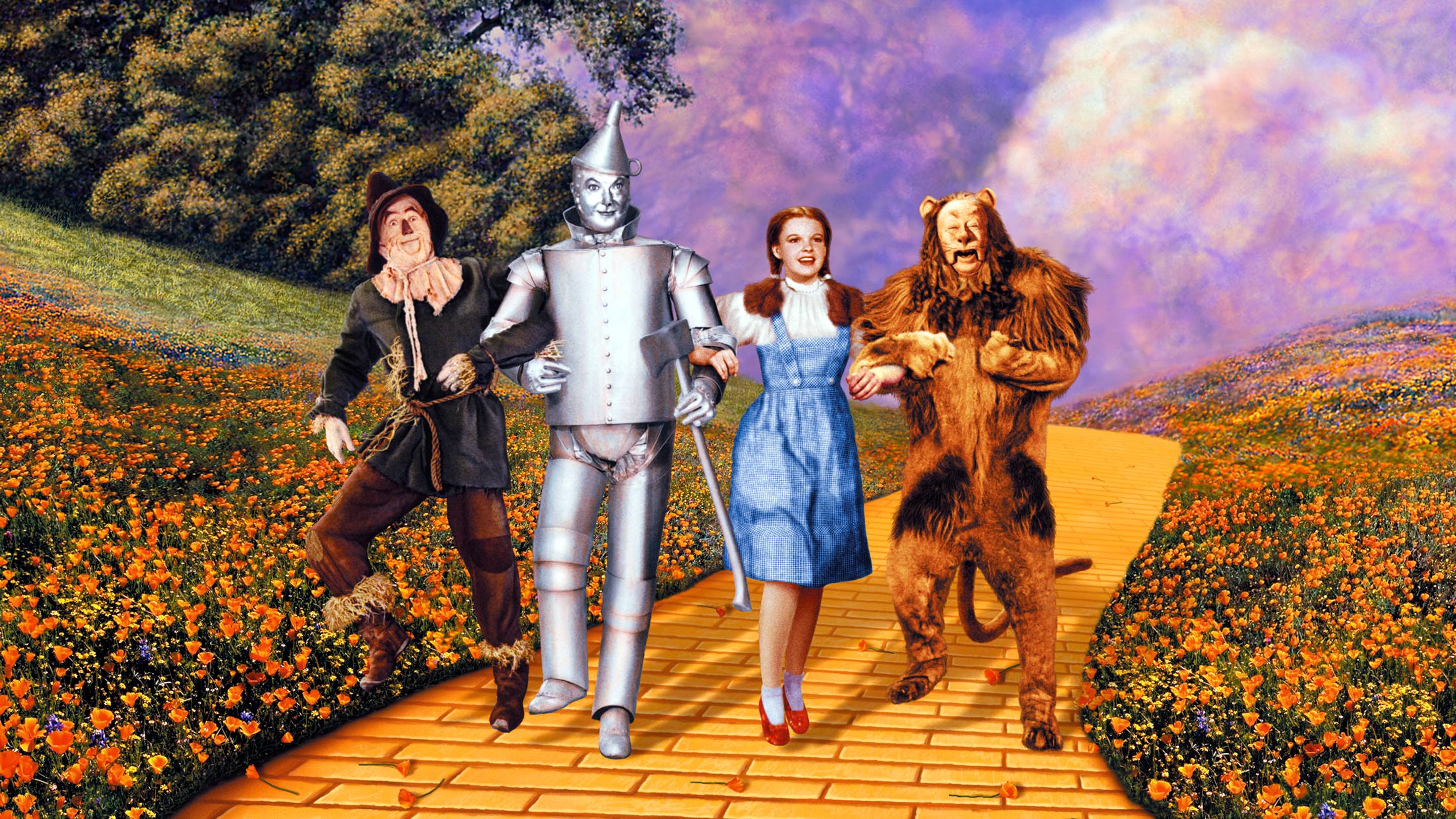
Image via Mental Floss
The Price of Movie Magic in Old Hollywood
'The Wizard of Oz' gave us one of the most beloved films in American history, but the stories behind that 1939 production would never fly today. Buddy Ebsen, originally cast as the Tin Man, nearly died from aluminum powder in his makeup. Margaret Hamilton, the Wicked Witch, suffered severe burns during the filming of her fiery exit from Munchkinland. Young Judy Garland was put on a punishing schedule and given pills to control her weight and energy.
The Technicolor cameras required blazing hot lights that made the sound stage feel like a furnace. The actors in costume were miserable, and safety standards were practically nonexistent. Some folks today call it a 'curse,' but really it was just old Hollywood putting spectacle above everything else—including the welfare of the people making the magic happen.
Yet somehow, through all that difficulty, they created something timeless. Every year, families still gather to watch Dorothy click her ruby slippers together. The craftsmanship and artistry shine through, even if the methods were harsh.
📺 Jack's Thoughts: They made something beautiful under terrible conditions, and that's worth remembering—both the achievement and the cost. We're right to demand better treatment for workers today, but we can still admire the dedication of those performers who gave us a piece of cinema history. Sometimes progress means keeping the excellence while losing the suffering.
/https://tf-cmsv2-smithsonianmag-media.s3.amazonaws.com/filer_public/81/26/8126596a-7907-4749-8e6d-de8a58381a1b/sir_winston_churchill_painting_in_belgium_september_1946_c_churchill_archives_centre_csct_5.jpeg)
Image via Smithsonian Magazine
Churchill's Canvas: When Leaders Had Time to Think
Winston Churchill painted. Not as a publicity stunt or for therapy sessions covered by the evening news, but because a man—even a prime minister guiding Britain through its darkest hours—needed quiet moments to think and create. A new retrospective in London showcases more than 50 of Churchill's canvases, the first major exhibition since his death, revealing a side of the wartime leader that too few people know.
Churchill took up painting in his forties and pursued it seriously for the rest of his life. He painted landscapes, still lifes, and scenes from his travels. His paintings weren't masterpieces, but they were honest efforts from a man who believed in the value of pursuing something beautiful, something apart from the weight of running an empire and fighting tyranny.
Can you imagine one of today's world leaders taking an afternoon to paint? Back then, cultivated men were expected to have interests beyond politics. They read history, they wrote books, they painted or played music. Churchill wrote more words than Shakespeare and Dickens combined—and still found time to paint over 500 works.
📺 Jack's Thoughts: We used to expect our leaders to be well-rounded human beings with depth and substance beyond poll numbers and sound bites. Churchill's paintings remind us that the best decisions often come from minds that know how to step back, reflect, and engage with beauty. Maybe our leaders—and all of us—could use a little more of that kind of balance.
Tonight, whether it's four perfect guitar notes, a movie that required everything from its cast, or a statesman with a paintbrush, we're reminded that the old ways valued something we're in danger of losing: the belief that some things are worth the extra effort, the patience, and the time to do them right. Maybe tomorrow, we can carry a little of that spirit forward. Yours in good memories, Jack Reynolds
— Jack Reynolds