History shows a clear pattern: the investors who recognized the exact inflection point in the dot-com boom pocketed 400–800% gains in 18 months. Those who spotted the same moment in cloud computing saw 300–600% returns. Based on 50 years of market data, that same moment is happening right now — and the acceleration phase has already begun.
This free 7-page report reveals where we are in the current megatrend cycle, why the next 18 months are critical, and how to position yourself before the window closes. Don't be the investor who enters too late.
Get the Free ReportBy clicking 'Get the Free Report' you are automatically subscribing to Darwin Investor Network and will receive a free subscription to the Chaikin PowerFeed newsletter. Unsubscribing is easy. Privacy Policy

Monday, August 17, 2026 | Your nightly trip back to the good old days, with three stops: a patch of Pacific lore as spooky as any late-night radio show, a 1971 movie that aged like candy, and a prewar roadster with the kind of elegance we just don’t build anymore.

Image via All That’s Interesting
The Dragon’s Triangle: A Patch of Ocean That Still Gives Sailors Goosebumps
There was a time when every household had its own little atlas, and a kid could get lost for an hour just tracing blue water with a finger and wondering what lived beyond the horizon. The Dragon’s Triangle, sometimes called the Devil’s Sea, sits south of Japan in the Pacific and has earned a reputation a lot like the Bermuda Triangle’s: shipwrecks, strange disappearances, and the kind of stories that make you lower your voice even in daylight.
According to accounts gathered over the years, the legends run from unusual lights in the sky to vessels that never come home. Some explanations point to natural forces and tricky conditions at sea, while others keep the door open for the unexplained. Either way, it’s the sort of tale that reminds you how big the world really is, and how the ocean has always kept some of its secrets.
Source: All That’s Interesting
📺 Jack's Thoughts: I’ve always believed there’s room for wonder without throwing common sense overboard. The sea is powerful enough to humble the best captain, and human memory is powerful enough to turn a hard lesson into a legend. Still, I don’t mind a mystery now and then—especially the kind that makes us respect nature instead of pretending we’ve mastered it.
How Willy Wonka Went from 1971 Flop to Family-Treasured Classic
Back when movie theaters felt like palaces and a Saturday matinee was a real outing, Willy Wonka & the Chocolate Factory arrived in 1971 and didn’t exactly light up the box office. And yet, over time, it became one of those films that seems to live in the wallpaper of American family life—quoted at the dinner table, replayed on TV, and remembered the way we remember certain songs from the radio.
Part of the staying power, as the story goes, comes from the practical magic of old-school filmmaking: sets you could touch, including that famous “chocolate river,” and the kind of performance choices that made Gene Wilder’s Wonka equal parts charming and unsettling. Add a few behind-the-scenes quirks—like an actor’s unusual demand—and you get a reminder that classics aren’t always born as hits. Sometimes they’re adopted slowly, by living rooms and reruns and kids growing up.
Source: Click Americana
📺 Jack's Thoughts: This is one of those cases where America’s best taste proved itself over time. The picture has a moral backbone under all that candy—consequences, character, and the idea that wonder doesn’t replace responsibility. I miss when family entertainment didn’t talk down to anyone, and Wonka is a fine example of how you can be playful and still have something to say.
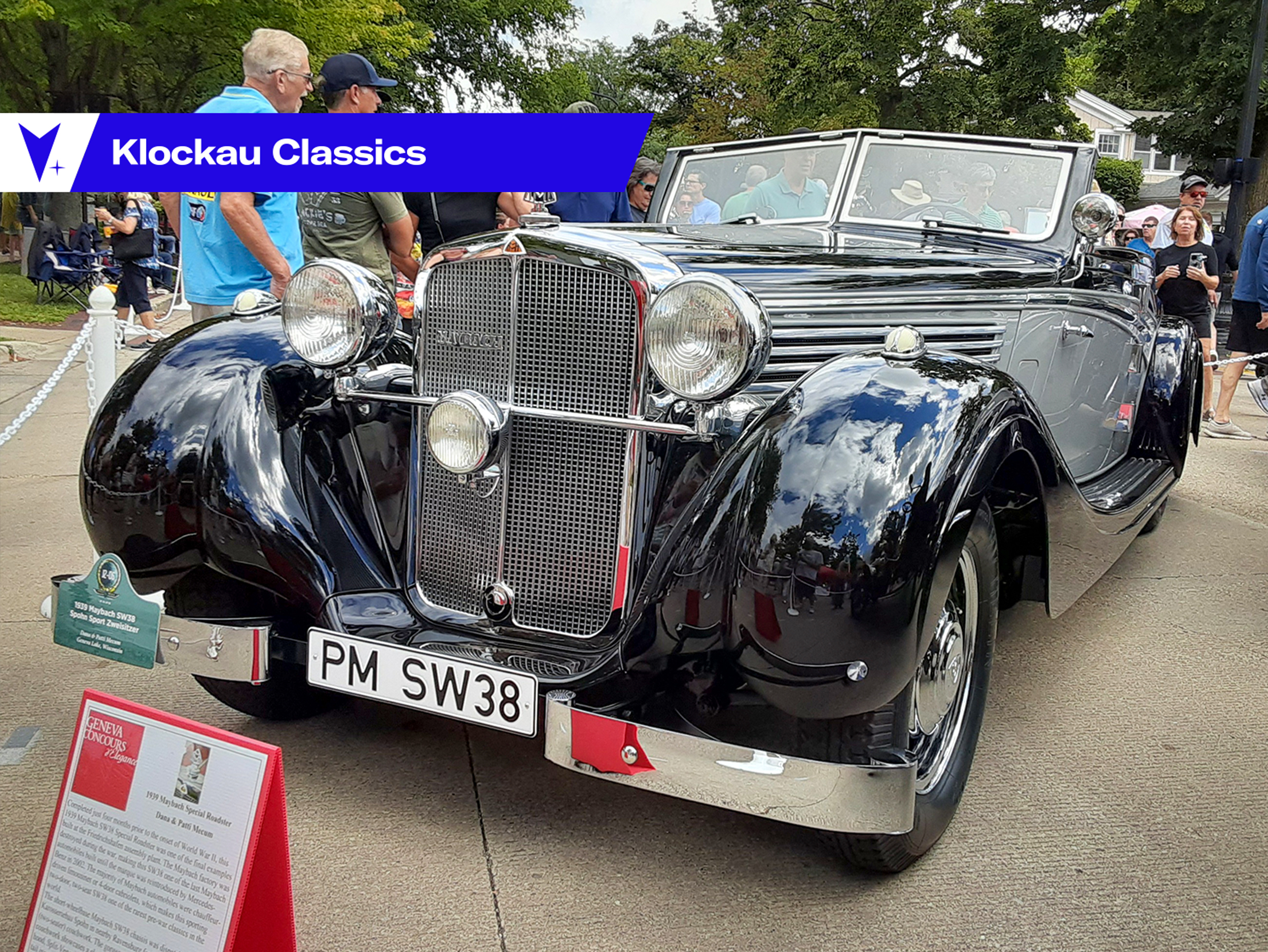
Image via Hagerty
A 1939 Maybach Roadster That Reminds You What Craftsmanship Looked Like
If you grew up when a car wasn’t just transportation but a statement, you understand why certain machines can stop a person mid-step. A 1939 Maybach SW38 Special Roadster is the kind of automobile that doesn’t merely look “nice”—it looks authored, as if every curve and proportion had a reason, not a committee.
The piece highlights a Maybach shown in the concours world, where details matter: coachwork, presence, and that special prewar elegance that seems to carry its own atmosphere. These are rolling reminders of an era when engineering and artistry were expected to share the same room, and when luxury meant more than a giant screen bolted to the dashboard.
Source: Hagerty
📺 Jack's Thoughts: I don’t begrudge today’s cars their safety and convenience, but I do miss when design had patience and pride built into it. Machines like this Maybach feel like proof that beauty and discipline can live together—and that a culture’s standards show up in the things it chooses to make well. If we can bring back anything from the good old days, let it be that quiet insistence on excellence.
📎 Hagerty
Thanks for spending part of your evening with me. The world may spin faster now, but the best parts of the past still have a way of finding us—one story, one song, one beautiful detail at a time. Until tomorrow, keep the light on and keep your heart hopeful.
— Jack Reynolds