Sponsored By:
Tax season quietly reshapes where capital flows — refunds hit accounts, portfolios get rebalanced, and positions get liquidated to cover obligations. That creates unusual early movement in small-cap stocks that has nothing to do with company fundamentals. Right now, certain names are already showing structural signals most investors will miss entirely.
We've put together a free Market Structure Guide breaking down how tax season shifts market activity, why some small-cap profiles move unexpectedly in March and April, and three companies already showing early breakout signals. The window to act before broader attention arrives is narrow — don't wait.
Get the Free Market Structure Guide*We encourage readers to perform their own research and due diligence on any information we provide. By clicking the link you will automatically be subscribed to the Fierce Investor Newsletter. Privacy Policy

Tonight we take a gentle look at how a handful of famous mug shots—some tragic, some oddly iconic—ended up becoming part of the cultural scrapbook.
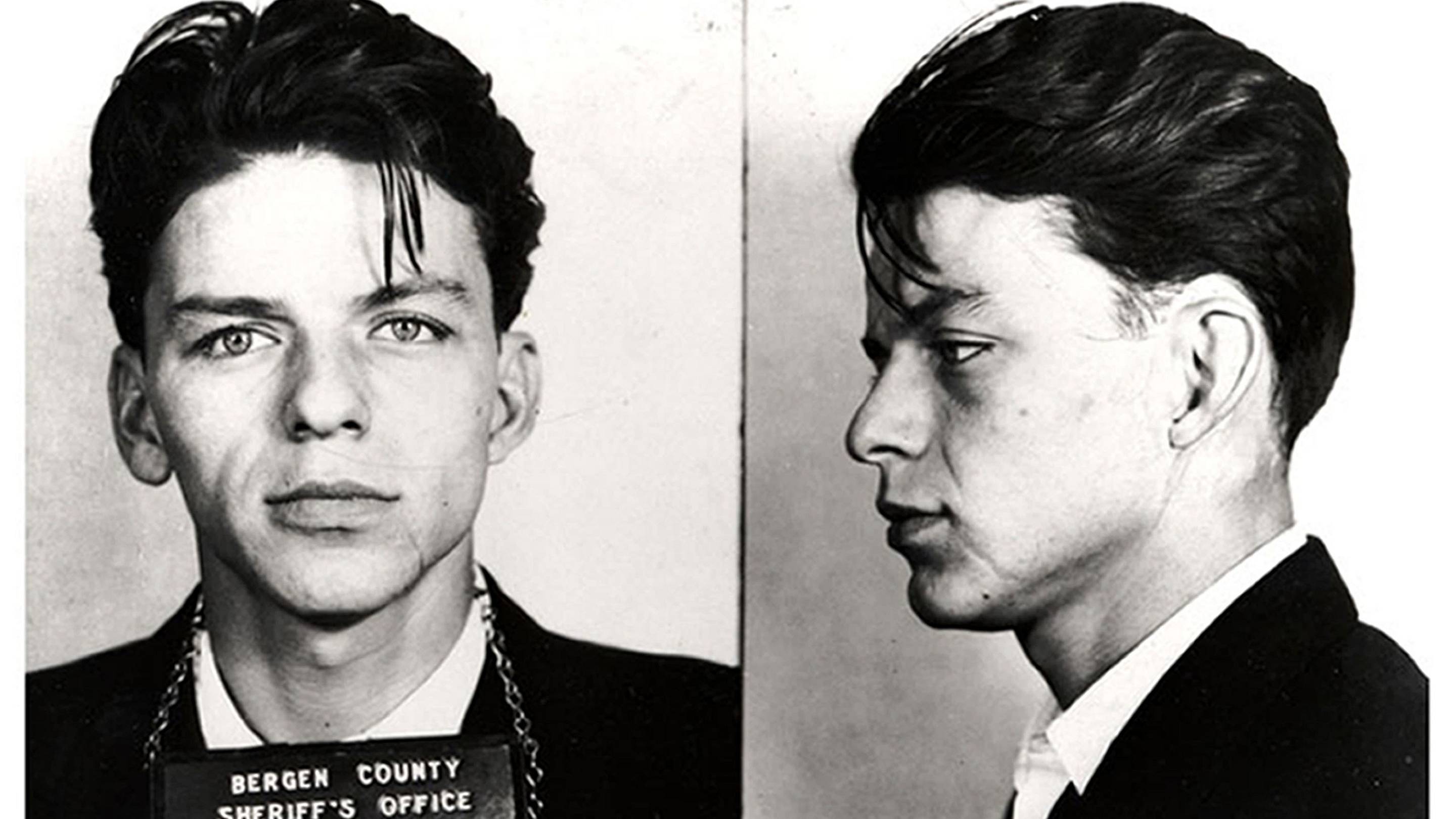
Image via Mental Floss
When Celebrity Mug Shots Turn Into American Folk History
Mental Floss was out with a report rounding up "21 Celebrity Mug Shots That Became Cultural Artifacts," and it’s the kind of piece that makes you pause—because it isn’t really about crime so much as it’s about time. The article walks readers from the 1930s through the 2010s, showing how certain booking photos didn’t just document a bad night; they followed people around, sometimes becoming as recognizable as the movies, music, or headlines that made those faces famous in the first place.
What struck me is how Mental Floss frames these images as artifacts—little museum pieces of pop culture. A mug shot is supposed to be plain, clinical, forgettable. But when the person in the frame is already a public figure, the photo turns into something else: a symbol people argue over, joke about, feel sorry about, or even turn into a poster on a dorm room wall. The piece treats the images as part of the larger story of celebrity in America—how fame can amplify everything, even the worst moment of your week, into something that outlives the moment itself.
There’s also a quiet reminder in the timeline: decades change, styles change, and what the public finds "memorable" changes too. In earlier eras, you can almost feel the weight of scandal and the seriousness of being hauled in for a photograph. Later on, you can sense how our culture started treating these images like instant collectibles—shared, remixed, and absorbed into the entertainment machine before the person in the photo has even gotten home.
📺 Jack's Thoughts: I remember when a man’s troubles were his business until he decided to straighten out and tell you about it himself. Not because we were perfect—good heavens, no—but because we understood something simple: the worst five minutes of a person’s life shouldn’t automatically become their permanent nickname. A mug shot used to be a record for the courthouse, not a trading card for the public. And I don’t say that to scold anybody; I say it because the shift tells us something about how we treat one another now—especially when there’s money and attention to be made. The other thing is this: celebrity has always been its own kind of weather system, but the storm patterns are faster now. A mistake becomes a headline, then a meme, then a “cultural artifact” before the ink is dry. That speed does something to us as a people. It can sand down compassion. It can make accountability feel like entertainment, which is a dangerous mix—because accountability is supposed to lead somewhere: repentance, restitution, healing, a second chance, a lesson learned. Still, I don’t read a list like this and come away cynical. I come away reminded that behind every iconic image—whether it makes folks laugh, shake their heads, or sigh—there’s a human being. And if there’s one value that never goes out of style, it’s the belief that a person can get back up. Maybe the next chapter won’t be as flashy as the last, but it can be steadier. In the America I grew up loving, we believed in consequences, yes—but we also believed in redemption. I’d like to think we can still make room for both. Read the full story at Mental Floss.
Read the full story at Mental Floss →
Until tomorrow night, keep a light on for the good in people—and remember that tomorrow is always a fine day to start fresh.
— Jack Reynolds