Sponsored By:
Wall Street's been using ruthless, unemotional algorithms to run 80%+ of all stock trades — and that number keeps climbing. K.I.R.A. is the advanced AI engine built to level the playing field, giving everyday traders the same edge as the pros. It analyzes the market and hands you three distinct trade approaches — tailored to your risk tolerance — so you're never left guessing.
You don't have to take anyone's word for it. Fire up K.I.R.A. right now and see exactly what it surfaces for today's trades. The robots aren't waiting — and neither should you.
Access K.I.R.A. Now — See Today's TradesBy clicking the link above you agree to periodic updates from The TradingPub and its partners. Privacy Policy

A little music lore from the days of FM radio, a Mopar dream you can almost smell through the page, and a Philadelphia hideaway that reminds us wonder is still out there if we go looking.
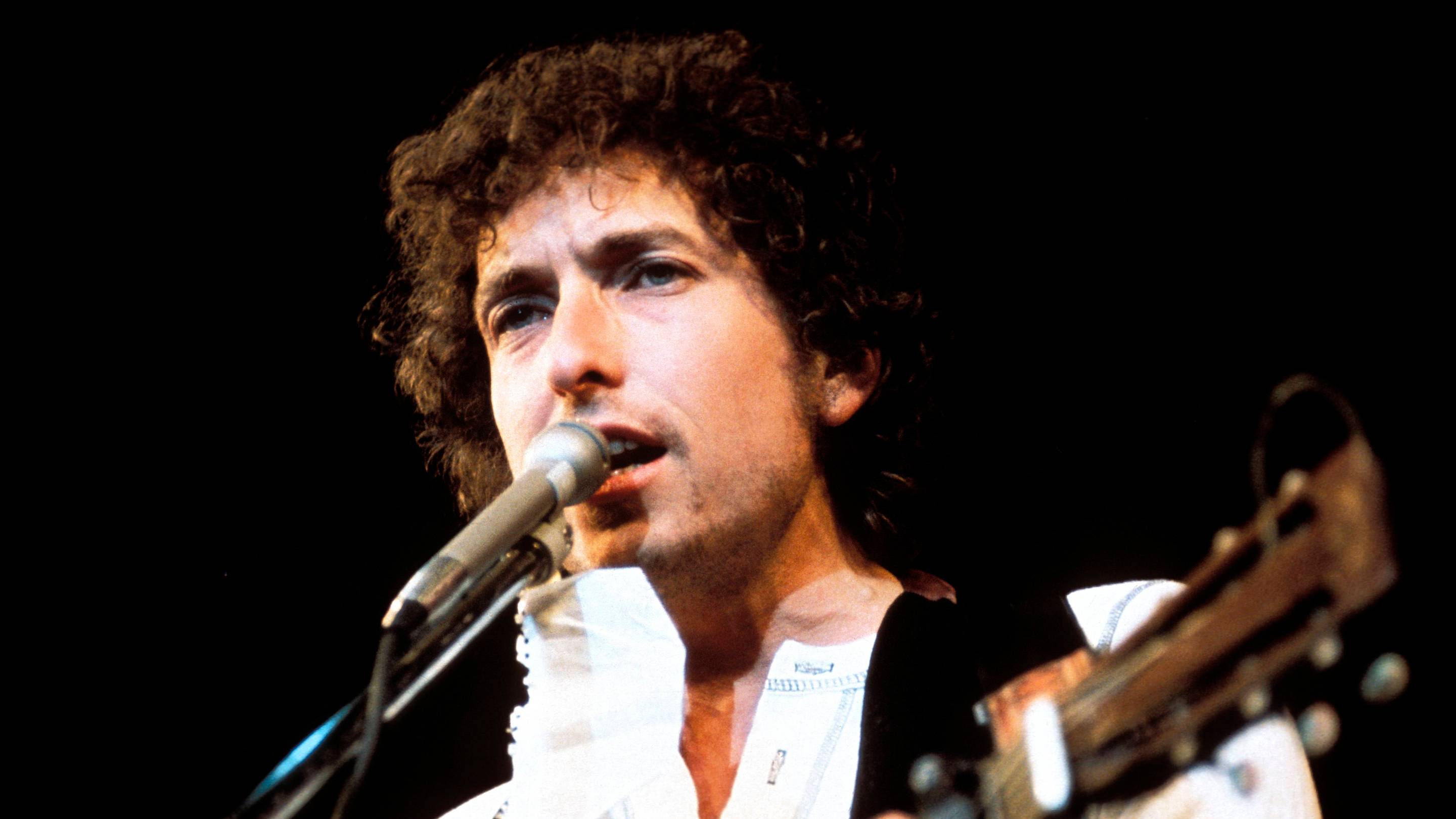
Image via Mental Floss
When Dylan Tips His Hat: The 1970s Hit He Says Felt Like “Kin”
Bob Dylan has been written about more times than a high school history lesson, but he once named a particular 1970s hit as his favorite song written about him. What makes it special isn’t just the melody—it’s the fellow feeling behind it. Dylan said he “always felt kin” to the artist who wrote it, and you can hear that in the way the song treats him less like a headline and more like a real, complicated man.
The song also points back to a memorable concert where both musicians shared the bill, the kind of night that used to travel by word of mouth and well-worn ticket stubs. Back then, a concert wasn’t content—it was an event. You’d drive a little too far, pay a little too much, and still feel like you got something you couldn’t buy anywhere else: a story you’d tell for years.
There’s something gentle about hearing that even Dylan—who could be hard to pin down—responded to being seen clearly by another artist. In an era when everybody seems to be "branding" themselves, it’s refreshing to remember a time when songs could be a nod across the room: I recognize you. I’ve been there too.
📺 Jack's Thoughts: I like that Dylan’s favorite tribute wasn’t a gushy monument—it was a human-sized portrait. In simpler times, respect didn’t always come dressed up; sometimes it was just one craftsman acknowledging another. We could use more of that today: less posturing, more honest recognition.
A 1971 ’Cuda Convertible: The Kind of Car That Turns a Parking Lot Into a Parade
HotCars is spotlighting a truly jaw-dropping machine: a 1971 Plymouth Barracuda convertible, the sort of muscle car that makes you slow down even if you’re late. The catch, of course, is right there in the headline—this beauty can be yours, but not without a serious price tag. That’s the modern reality of classic iron: the cars we once admired from the curb have become rolling pieces of Americana.
If you grew up in the ’60s and ’70s—or just wish you had—you know what a Barracuda represented. It was freedom with a rumble, a bold hood and a bolder attitude, built in a time when Detroit wasn’t afraid to make something loud, fast, and a little unruly. The convertible version adds its own kind of magic: top down, radio on, summer night air, and the sense that tomorrow could take care of itself for a while.
What’s striking is how these cars still gather people. A modern parking lot can feel like everyone’s in their own little world, but let a classic ’Cuda roll in and suddenly strangers start talking—about their first car, their uncle’s garage, the one that got away. Some things, it turns out, still start conversations the old-fashioned way.
📺 Jack's Thoughts: I don’t begrudge the high price—scarcity is scarcity—but I do miss when a working man could reasonably dream of owning something like this. Still, I’m glad these cars are cherished instead of forgotten. A classic muscle car reminds us that American workmanship used to come with a little swagger, and that’s not a bad thing to remember.
📎 HotCars

Image via Atlas Obscura
Philadelphia’s “Ministry of Awe”: A Little Shrine to Curiosity in a Busy World
Atlas Obscura points readers toward one of those places that feels like it slipped through the cracks of modern life—in the best way. The Ministry of Awe in Philadelphia is described as a wacky, wondrous vault full of secrets, questions, and even forged checks, the kind of oddball detail that makes you lean in closer. It’s a collective with no clear point of origin, and an experience that insists there’s no single “right” way to take it in.
In the old days, every town had a few unofficial museums—somebody’s basement full of treasures, the corner shop with a glass case of odd finds, the library bulletin board promising something strange on a Saturday afternoon. The Ministry of Awe sounds like a modern cousin to that tradition: less polished, more personal, and built on the simple idea that wonder is worth preserving.
What I like most is the permission it gives you to be curious again. Not everything has to be optimized, rated, and turned into a neat little conclusion. Sometimes it’s enough to step into a room, ask a few questions, and leave with your imagination a little more awake than it was when you arrived.
📺 Jack's Thoughts: I’m all for any place that invites people—especially young people—to trade the endless scroll for real-world curiosity. We were raised to look things over, ask questions, and learn by wandering a bit. If we want a healthier country, we could do worse than restoring a little awe, one neighborhood at a time.
That’s plenty for one evening, friend. Put the kettle on, say a quiet prayer of thanks for what’s good, and remember: tomorrow’s America can still be strong and decent if enough of us keep the old virtues alive—one choice, one conversation, one hopeful heart at a time. — Jack
— Jack Reynolds