Sponsored By:
Market sectors are quietly shifting. While some previously hot areas slow down, overlooked sectors from late last year are showing renewed activity through subtle changes in participation and volume patterns.
Our new Early-Year Market Activity Report reveals developing signals, a simple filtering framework, and specific sectors gaining momentum before broader attention follows. These early transitions often happen quietly at first.
Get the Free Report*We encourage readers to perform their own research and due diligence on any information we provide. By clicking the link you will automatically be subscribed to the Market Pulse Today Newsletter. Privacy Policy

A spring night in New York tips its hat to The Boss, a handful of small towns remind us the map still has surprises, and Henry Winkler proves cool doesn’t age out.
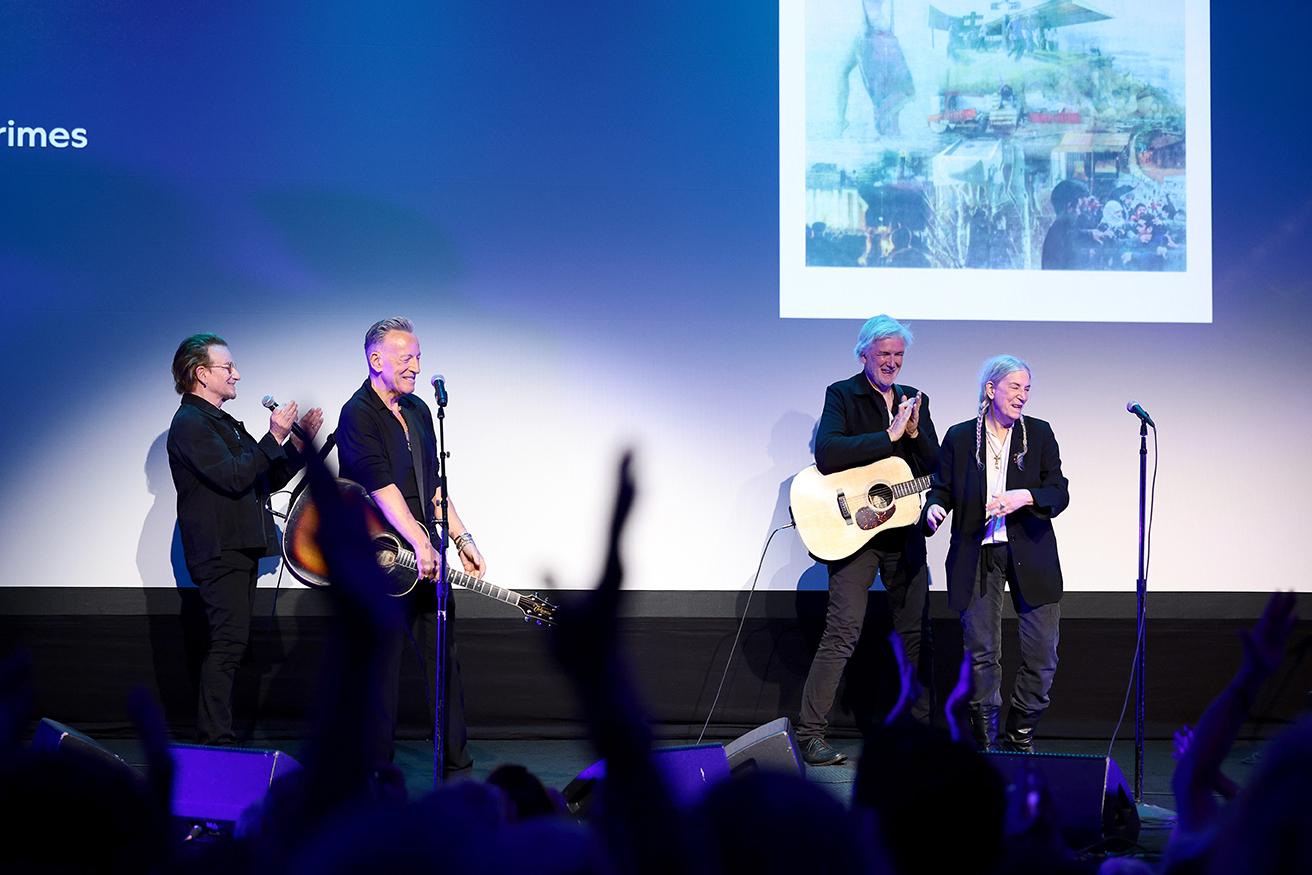
Image via Goldmine Magazine
A Tribeca Tip-of-the-Hat for The Boss — And the Kind of Citizenship That Used to Be Common
New York can be loud, fast, and a little self-important — but every so often the city pauses to do something that feels downright old-fashioned: it honors character. At a Tribeca Festival event, Bruce Springsteen received The Harry Belafonte Voices for Social Justice Award, with folks like Robert De Niro, Bono, and Patti Smith on hand to applaud not just the music, but the long road of activism behind it.
If you grew up when radio was king and a man’s word was his bond, you remember artists who didn’t just chase fame — they chased meaning. Springsteen’s been singing about working people since before many of today’s commentators learned the difference between a factory and a film set. Whatever you think of any one cause or speech, it’s hard to deny the steady throughline: he’s tried to use the spotlight for something beyond himself.
There’s also something fitting about linking this award to Harry Belafonte — a name that carries dignity, courage, and a certain moral seriousness. In an era when so much public life feels like performance, the evening sounded like a reminder that service still counts, and that culture can still salute conscience.
📺 Jack's Thoughts: I don’t ask entertainers to be politicians, and I don’t want politics to swallow music whole. But I do respect a man who shows up, year after year, for the people he says he cares about — and who does it with more grit than glamour. If we had a little more of that kind of steady civic backbone in everyday life, we’d all be better off.
Fifteen Quirky Little Towns — The Kind of Places Where America Still Feels Like Home
A list like “15 underrated quirky towns across America” might sound like internet fluff at first blush, but it touches a real hunger people have right now: the desire to get off the interstate and back onto the two-lane roads. Only In Your State rounded up communities that don’t always make the big travel brochures — places with oddball festivals, beloved diners, Main Streets that still have a heartbeat, and locals who’ll tell you the truth if you ask.
If you remember family vacations with a paper map folded on Dad’s knee and Mom packing sandwiches in wax paper, you know what I mean when I say the trip used to matter as much as the destination. These smaller towns can still offer that feeling — not because they’re perfect, but because they’re human-sized. You can park, walk, talk to someone behind a counter, and feel like the day isn’t being rushed out from under you.
And here’s the quiet beauty of it: quirky towns are often places that held onto their roots while the world sped up. A mural that tells the town’s story. A courthouse square where kids still learn how to sit still. A high school football field where the lights flip on at dusk, and everybody seems to know somebody.
📺 Jack's Thoughts: I’ve always believed one of America’s secret strengths is its small towns — not as museum pieces, but as living classrooms in neighborliness. Take the scenic route this summer, buy a slice of pie, and leave a good tip. If enough of us do that, we’re not just sightseeing — we’re helping keep the lights on in places that still teach the old virtues without making a speech about it.
Three Questions for Henry Winkler — Proof That Real Cool Grows Up Gracefully
The Saturday Evening Post sat down with Henry Winkler for a quick “3 Questions” chat, and it’s hard not to smile reading it. Most of America first met him as Fonzie — the leather jacket, the jukebox charm, the effortless swagger — but decades later, Winkler’s become something even rarer: a beloved elder statesman of television who still feels approachable.
For those of us who watched Happy Days when the world seemed a little more orderly, Winkler’s staying power says something important. He didn’t just cash in on a character; he built a career on craft, kindness, and an ability to keep learning. In a time when celebrity can feel like a revolving door, he’s the kind of public figure who makes you believe decency and professionalism can still win in the long run.
And maybe that’s why people keep rooting for him. He carries the old-school show-business manners — gratitude, humility, a respect for the audience — without acting like everything was better “back then.” He’s simply a reminder that you can move forward in life without sneering at the past.
📺 Jack's Thoughts: I’ll tell you what I admire about Winkler: he seems to understand that charm isn’t a costume, it’s a way of treating people. We could use more of that steady, courteous spirit in public life — less sarcasm, more sincerity. The older I get, the more I think that kind of character is the real definition of cool.
That’s my Wednesday night paper on the porch — a little music, a little road-trip dreaming, and a familiar face reminding us that good manners never go out of style. However fast the world gets, there are still plenty of reasons to believe tomorrow can be steadier than today. Sleep well, and I’ll see you back here next time.
— Jack Reynolds