Sponsored By:
Tax season quietly reshapes where capital flows — refunds hit accounts, portfolios get rebalanced, and positions get liquidated to cover obligations. That creates unusual early movement in small-cap stocks that has nothing to do with company fundamentals. Right now, certain names are already showing structural signals most investors will miss entirely.
We've put together a free Market Structure Guide breaking down how tax season shifts market activity, why some small-cap profiles move unexpectedly in March and April, and three companies already showing early breakout signals. The window to act before broader attention arrives is narrow — don't wait.
Get the Free Market Structure Guide*We encourage readers to perform their own research and due diligence on any information we provide. By clicking the link you will automatically be subscribed to the Fierce Investor Newsletter. Privacy Policy

Mental Floss reminded us what 1942 looked like — and it makes you think about the world we've left behind
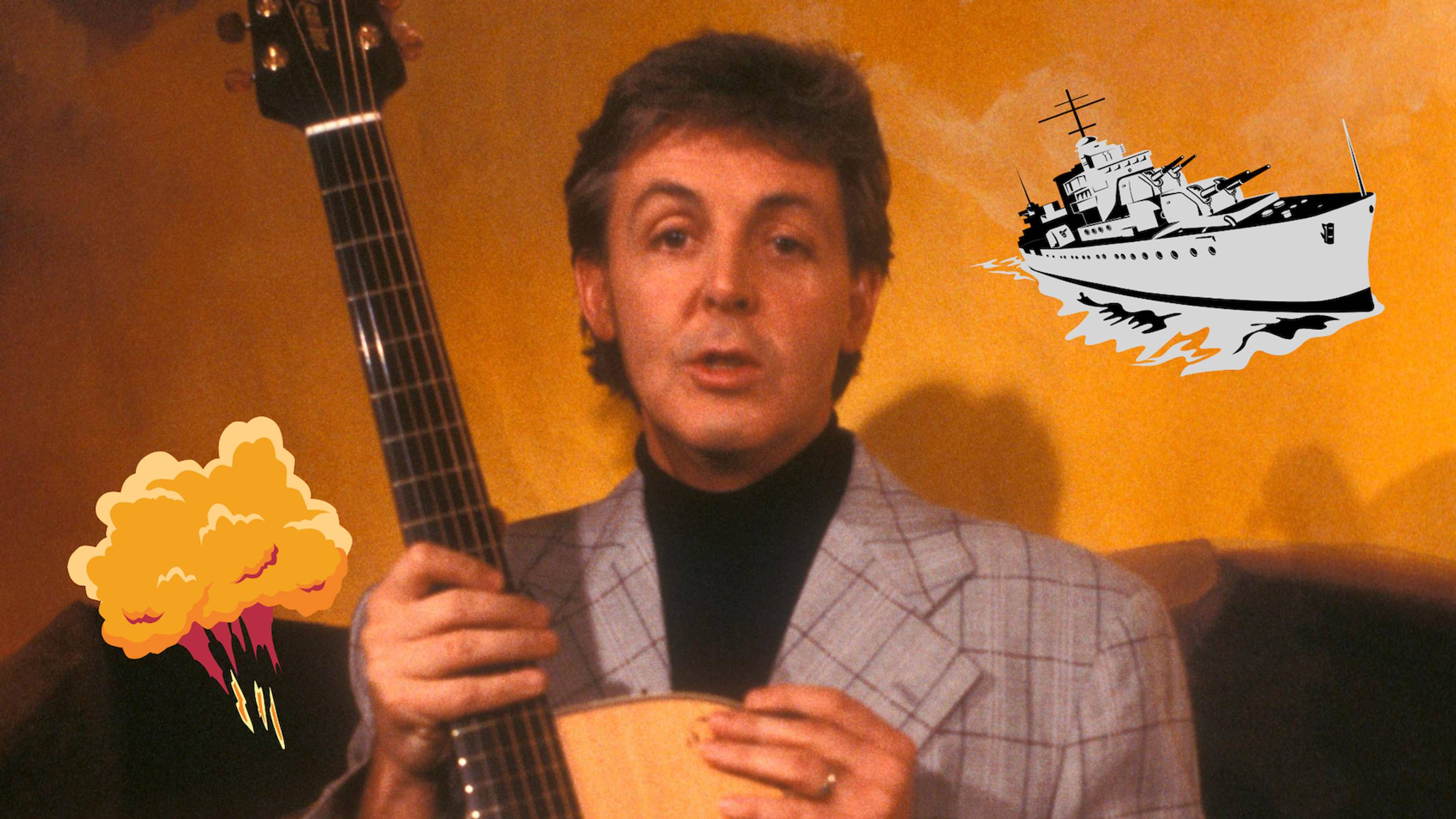
Image via Mental Floss
The World That Greeted a Future Beatle
Mental Floss was out this morning with a piece that caught my eye — not because I'm the world's biggest Beatles fan, though I certainly appreciate their music — but because it reminded me just how much the world has changed in a single lifetime. They ran through six historical events that happened the year Paul McCartney was born, back in 1942, and reading through them was like opening a time capsule from an America that feels almost unrecognizable today.
The report painted a picture of that year: Bing Crosby's "White Christmas" was topping the charts (and would go on to become the best-selling single of all time), World War II was raging across Europe and the Pacific, and America was fully mobilized for the war effort. It was the year of the Bataan Death March, the Battle of Midway, and the beginning of the Manhattan Project. Closer to home, it was when FDR ordered the internment of Japanese Americans — one of those chapters we don't like to remember but shouldn't forget. And while all this was happening, a baby boy was born in Liverpool who would grow up to write "Yesterday" and help change popular music forever.
What struck me most about the Mental Floss piece wasn't just the historical facts themselves, but the reminder that someone who's still performing today — Paul McCartney turned 84 this year and just wrapped another tour — arrived on Earth during a time when the entire world was at war. When families gathered around radios, not screens. When a single song could bring comfort to millions of people who were sending their sons and husbands overseas, not knowing if they'd ever see them again. That was the world Paul McCartney was born into, and in some ways, the music he and the other Beatles would make twenty years later was part of how a generation tried to leave that war-torn world behind.
📺 Jack's Thoughts: I think about this sometimes — how much history one person can witness in a lifetime. My own father was born just a few years after McCartney, and when he tells stories about his childhood, he's talking about a world where you walked to school no matter the weather, where the milkman still delivered in glass bottles, where the whole neighborhood knew your name and your business. That's not ancient history. That's within living memory. And yet it feels like another country entirely. What I appreciate about looking back at 1942 is that it reminds us of something we seem to have forgotten: that the challenges we face today, as real as they are, aren't necessarily unprecedented. That generation dealt with a world war, economic upheaval, and uncertainty about the future that makes our current moment look manageable by comparison. And they got through it — not by complaining or dividing into camps, but by pulling together, making sacrifices, and believing in something bigger than themselves. They rationed gas and sugar. They bought war bonds. They planted victory gardens. They did what needed to be done. I'm not suggesting we need to return to 1942, with all its hardships and mistakes. But I do think there's something to learn from the spirit of that era — the sense of common purpose, the willingness to put the country first, the understanding that freedom isn't free and that every generation has to do its part to preserve what was handed down to them. Paul McCartney has spent his whole life making music that brings people together. Maybe that's the best legacy of his generation: they knew how to bridge divides instead of widening them. We could use a little more of that today.
Read the full story at Mental Floss →
As always, thanks for spending part of your evening with me. Tomorrow we'll be back with more stories that remind us where we've been — and maybe help us figure out where we're going. Until then, keep the faith.
— Jack Reynolds